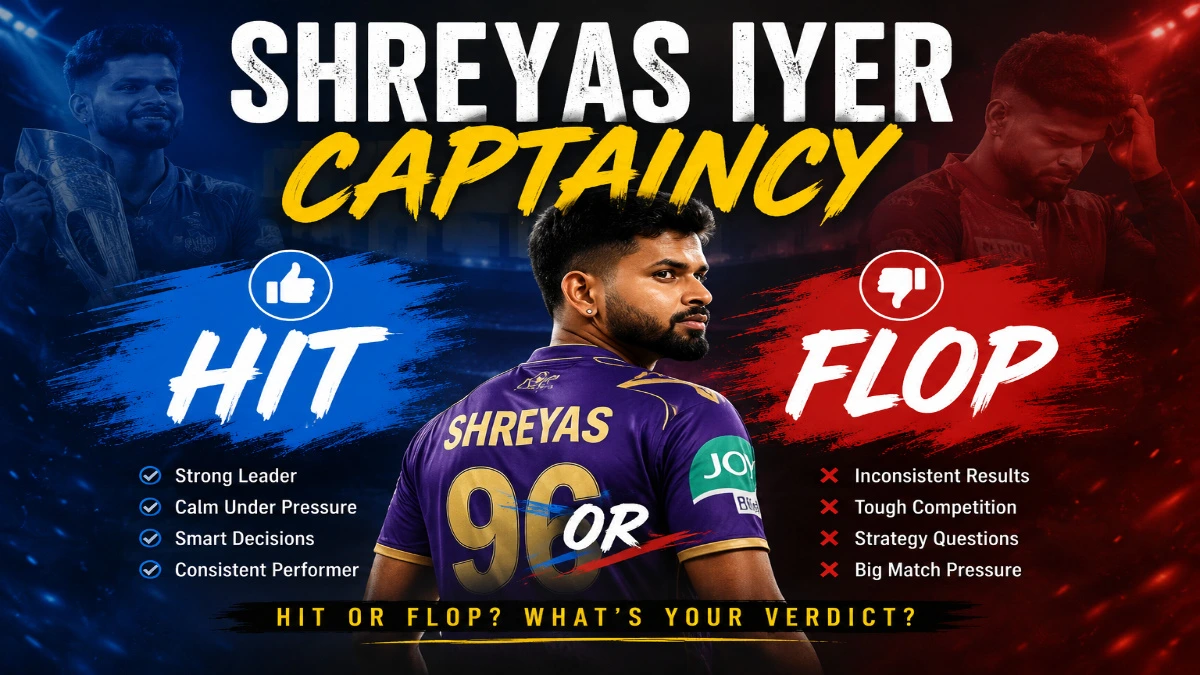
Is Shreyas Iyer captaincy a masterclass in modern leadership, or is it just a heavily overhyped disaster? This explosive question is dividing millions of passionate cricket fans across the globe right now.
I think he is a born leader who can win trophies. But his shocking winless streak with the national team has triggered a massive crisis. Let us dive straight into his raw records, career stats, and the toxic drama surrounding his role.
Shreyas Iyer Captaincy: From IPL King to National Team Nightmare
I have tracked Shreyas Iyer very closely since his early leadership days with Delhi Capitals. He took over from Gautam Gambhir mid-season in 2018 and completely transformed the franchise. He even led them to their first-ever final in 2020.
Later, he moved to Kolkata Knight Riders and won the glorious IPL title in 2024. Then came the ultimate shocker when Punjab Kings bought him for a jaw-dropping 26.75 Crore in the auction. He incredibly dragged them to the final too.
No other captain in league history has ever reached the IPL final with three completely different teams! It is a statistical miracle.
Shreyas Iyer Career Stats
To understand his true value, we must check the hard cold data. His numbers reveal a very sharp contrast between his individual batting power and his modern leadership record.
Shreyas Iyer Batting Stats
Format
Matches
Runs
Average
Strike Rate / SR
IPL
147
4229
35.84
136.73
ODI
60
2383
49.64
100.84
T20I
53
1172
30.84
135.98
Shreyas Iyer IPL Captaincy Record
Total Matches: 77
Matches Won: 41
Matches Lost: 34
Win Percentage: 53.3%
Shreyas Iyer Captaincy: India Team Captaincy Crisis
Now, let us expose the ugly side of the story. Shreyas Iyer was officially named the new India T20I captain after Suryakumar Yadav was rested. Iyer was openly arrogant about it. He boldly told the media that the news was “not outlandish” and he fully expected it.
But his start as India’s full-time short-format skipper has been an absolute nightmare. India suffered a humiliating, historic 0-2 series loss against minnows Ireland. Angry fans on social media went completely wild demanding his immediate sacking.
The nightmare continued on the current UK tour. India just threw away a winning position against England at Old Trafford after leg-spinner Ravi Bishnoi leaked a horror 29 runs in a single over! Legendary keeper Dinesh Karthik publicly warned that Iyer will heavily “feel the pinch” because Indian fans demand instant victories.
Shocking Fact: Iyer currently holds a painful record of zero wins as India’s full-time T20I captain. Despite this terrible streak, the BCCI just handed him the captaincy for the upcoming Zimbabwe tour and the Asian Games in Japan. Talk about extreme favoritism!
My Verdict: Is Shreyas Iyer a Genius or Overhyped
Here is my brutal, honest verdict on this mess. I believe it is completely foolish to bench him so quickly. He is a certified trophy winner.
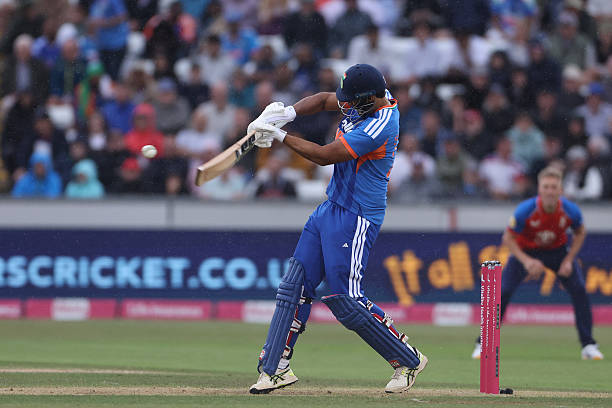
Yes, losing to Ireland is an embarrassing stain on his resume. But he is handling a highly transitioned, experimental side. In the opening T20I against England at Chester-le-Street, he saved India from total humiliation by hitting a masterclass 68 runs when the team was reeling at a pathetic 6/2.
He also showed immense balls by fielding 15-year-old debutant Vaibhav Sooryavanshi. He does not fear taking massive risks. Give him 10 more games before you grab your pitchforks.
Conclusion
In conclusion, Shreyas Iyer captaincy is currently facing its absolute ultimate trial by fire. He has the elite IPL silverware, but the national captaincy is an entirely different beast. Do you think he will survive this brutal England tour, or will the selectors brutally sack him next week? Drop your angriest thoughts in the comments below!
FAQs
What is the win percentage of Shreyas Iyer as captain in IPL?
His official win percentage in the IPL stands at 53.3%. He has won 41 matches out of 77 total games as captain.
Which teams has Shreyas Iyer captained in IPL?
He has captained three major franchises: Delhi Capitals, Kolkata Knight Riders, and Punjab Kings.
Is Shreyas Iyer selected as India’s permanent T20I captain?
No. He is currently the captain for the 2026 bilateral tours of Ireland, England, and Zimbabwe, alongside the 2026 Asian Games. The permanent role depends on these results.
Why was Shreyas Iyer removed from the BCCI central contract list before?
The BCCI ruthlessly axed him from the contract list in early 2024 because he skipped a domestic Ranji Trophy match citing back issues. He later won the Ranji title with Mumbai to redeem himself.
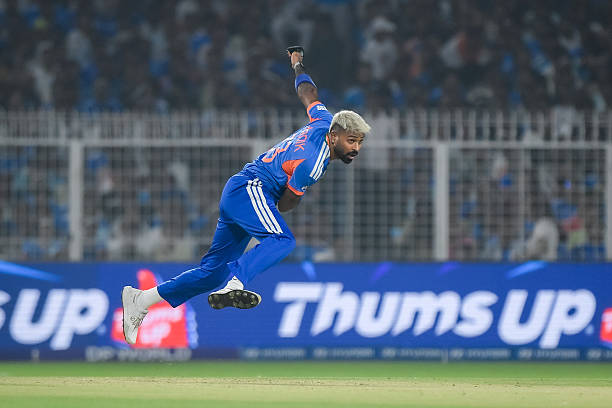
Who is the ultimate pace-bowling all-rounder for Team India? Welcome to my analysis of Hardik Pandya vs Shivam Dube, the two biggest power-hitters competing for the same spot.
In this ultimate cricket comparison blog, I will break down their batting skills, recent forms, and career stats to see who wins the crown. Let us dive straight into the numbers.
Hardik Pandya vs Shivam Dube: The Career Stats Comparison
To understand who hits the ball better, we must look at their numbers. Here is a detailed comparison of their T20 International (T20I) batting statistics.
I have watched both of these players closely in the Indian Premier League (IPL) and international matches. They have very different ways of destroying bowling attacks.
Hardik loves it when fast bowlers try to bowl short or hard lengths at him. He has quick hands and can clear the boundary easily against high pace.
He handles extreme pressure very well in ICC tournaments.
He is a complete 360-degree player who scores all around the ground.
His experience makes him a reliable finisher at the death.
Shivam Dube: The Spin Monster
Shivam Dube is a nightmare for spin bowlers in the middle overs. His long levers and tall height help him launch spinners straight over their heads for massive sixes.
He has a brilliant balls-per-six ratio against spin in modern T20 cricket.
He can clear the ropes at the biggest stadiums without even moving his feet much.
His clean bat swing makes him a highly explosive middle-order option.
Match Impact and Current Form
When I look at recent games, both players offer great balance to the team. However, their roles vary depending on the pitch conditions.
Hardik Pandya has played more matches and has won big games for India over the last many years. He can bat anywhere from number 4 to number 7 and can adapt his game according to the team situation.
Shivam Dube has found a lot of success after joining Chennai Super Kings (CSK) in the IPL. The team uses him as a spin-basher in the middle overs, which keeps the run rate high.
My Verdict: Who Is Better?
This is a very tough choice, but I have a clear answer based on pure utility. If I have to pick one player for a high-stakes knockout match today, I will pick Hardik Pandya.
Shivam Dube is an incredibly dangerous batsman against spin, but Hardik is a more complete all-rounder. Hardik gives you extra flexibility because he can bowl four full overs of fast-medium pace, whereas Dube is used mostly as a part-time bowler. Hardik’s big-match temperament gives him the final edge in my book.
FAQs
Who has a better strike rate in T20Is between Hardik and Dube?
Shivam Dube has a slightly higher T20I strike rate of 149.70 compared to Hardik Pandya’s strike rate of 144.26.
Can Shivam Dube replace Hardik Pandya in the Indian team?
Dube can match Hardik’s big-hitting power with the bat. However, Hardik is a much faster and more regular bowler, making it hard to replace him completely.
Who is better against spin bowling?
Shivam Dube is widely considered better against spin. He uses his long reach to hit spinners out of the ground very easily.
Indian cricket is changing fast. A new breed of ultra-aggressive left-handed batsmen is taking over the game. Fans are constantly debating who will lead the next generation of power-hitters.
If you are looking for the ultimate showdown of modern young talent, the Abhishek Sharma vs Vaibhav Suryavanshi debate is exactly what you need. I have closely watched both of these stars dismantle bowling attacks, and the future looks electric. Let us break down their stats, styles, and impact to see who comes out on top.
Abhishek Sharma vs Vaibhav Suryavanshi: IPL & Domestic T20 Records
To understand their raw power, we must look at the hard numbers. Both players have redefined aggressive batting in the powerplay. Here is how they stack up against each other in recent T20 tournaments.
Batting Metric
Abhishek Sharma (SRH)
Vaibhav Suryavanshi (RR)
IPL Matches
92
23
Total Runs
2,379
1,028
Highest Score
141
97
Strike Rate
171.27
237.31
Batting Average
29.37
48.50
Total Sixes
144
72
Orange Cap Wins
0
1 (IPL 2026)
Abhishek Sharma vs Vaibhav Suryavanshi: Strength and Weakness
Here is the comparison of both of the batters in terms of strength and weakness.
Abhishek Sharma: The Established World Champion
Abhishek Sharma has come a long way from his under-19 days. He is now a certified match-winner for the senior Indian cricket team. I love how he uses his feet against spin bowlers to hit massive sixes.
His mentoring under Yuvraj Singh shows in his high finish and clean swing. During the recent T20 World Cup, his crucial quick-fire fifty in the final proved he has ice in his veins. He gives the team a solid bowling option too with his left-arm spin.
Strengths: International match experience, superior spin-hitting ability, useful bowling option.
Weaknesses: Can occasionally throw his wicket away against early swing.
Vaibhav Suryavanshi: The 15-Year-Old Wonderkid
Vaibhav Suryavanshi is the most exciting teenage sensation in the world right now. Winning the Orange Cap in IPL 2026 at just 15 years old is something out of a fairy tale. I was stunned to see him hit a record-breaking 72 sixes in a single tournament.
He plays with absolute freedom and fearlessness. His strike rate of over 230 means he does not care about the name of the bowler. He just looks to clear the boundary from ball one.
Strengths: Mind-boggling strike rate, elite boundary-hitting, zero fear of failure.
Weaknesses: Yet to be tested consistently against high-quality international pace attacks over a long period.
Abhishek Sharma vs Vaibhav Suryavanshi: Playing Style and Technique
Abhishek relies heavily on a strong base and timing. He loves the extension of his arms and covers the line well. His experience makes him good at reading the bowler’s mind before the ball is delivered.
Vaibhav relies on lightning-fast hand speed and pure reflex. He clears his front leg often to smash the ball over mid-wicket. His bat swing is short, sharp, and incredibly explosive.
My analysis shows that Abhishek is better at building an innings if early wickets fall. On the other hand, Vaibhav can win a match completely inside the first six overs of the powerplay.
My Verdict: Who Is the Ultimate Future Star?
This is a tough choice because both left-handed batsmen bring massive value to modern cricket. However, if I have to pick one player based on current momentum and raw impact, I will choose Vaibhav Suryavanshi for pure T20 format dominance.
His ability to strike at 230 plus over a full IPL season is historic. Abhishek Sharma remains the safer, more versatile choice for the national team across multiple formats. But Vaibhav represents the absolute ceiling of modern T20 power-hitting.
Conclusion
Both players are redefining the limits of Indian cricket future stars. Whether you prefer the calculated aggression of Abhishek or the chaotic power of Vaibhav, fans are the real winners here. Keep your eyes on these two as they smash more records soon.
FAQs
Who has the faster strike rate between Abhishek Sharma and Vaibhav Suryavanshi?
Vaibhav Suryavanshi holds a significantly higher strike rate, touching an incredible 237.31 in recent T20 stints, compared to Abhishek Sharma’s career T20 strike rate of 171.27.
Can Abhishek Sharma bowl?
Yes, Abhishek Sharma is a genuine all-rounder who bowls useful slow left-arm orthodox spin, whereas Vaibhav Suryavanshi plays purely as a specialist opening batter.
Which IPL teams do they play for?
Abhishek Sharma plays as a key opener for Sunrisers Hyderabad (SRH). Vaibhav Suryavanshi plays for Rajasthan Royals (RR), where he won the Orange Cap in 2026.
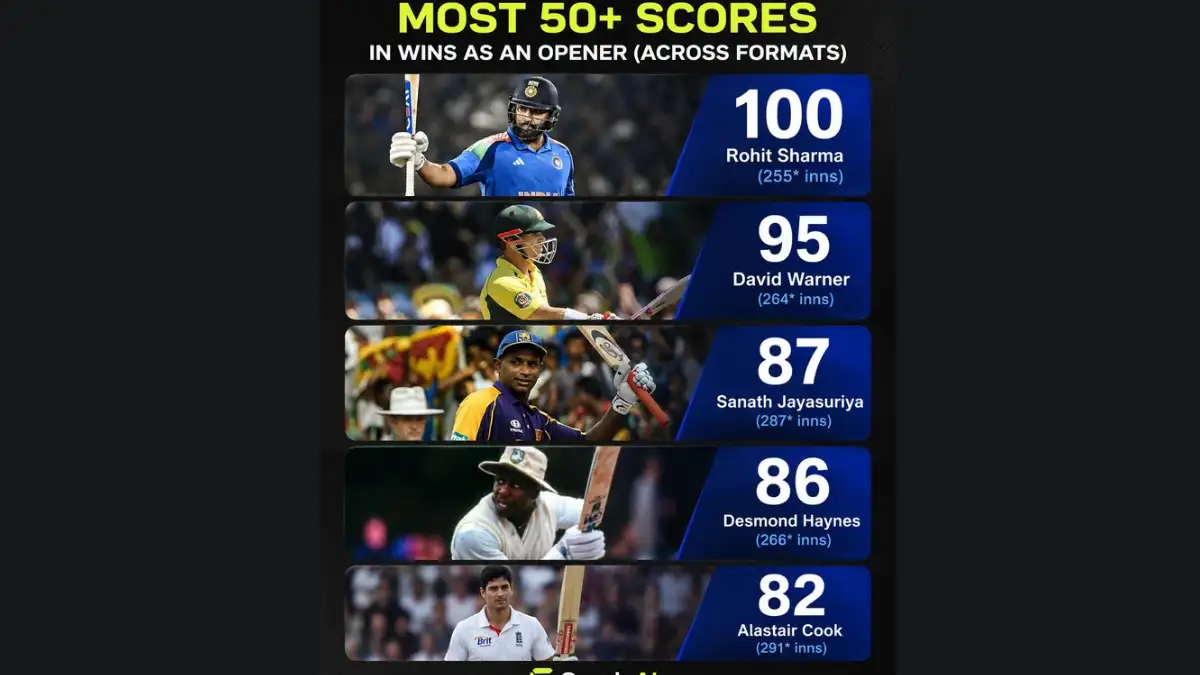
Have you ever wondered what separates a great opening batter from a true match-winner? It isn’t just about making runs; it’s about making them count when it matters most—in a winning cause. In my years of following cricket, I’ve realized that the real legends aren’t defined by their centuries, but by their ability to guide their team to victory.
Today, we are celebrating the absolute titans of the crease in the “openers 50+ score in Wins” blog. These aren’t just stats; they are blueprints of dominance across every format of the game.
Openers 50+ score in Wins: The Masters of the Opening Stand
When I look at this elite list, I see more than just numbers. I see players who took on the toughest bowling attacks from the very first ball and stayed there until the job was done. Being an opener is perhaps the most difficult task in cricket, but these five players made it look effortless.
Here is the breakdown of the openers 50+ score in wins across formats:
Cricketer
50+ Scores in Wins
Innings Played
Rohit Sharma
100
255*
David Warner
95
264*
Sanath Jayasuriya
87
287*
Desmond Haynes
86
266*
Alastair Cook
82
291*
Openers 50+ score in Wins: Key Career Highlights
1. Rohit “Hitman” Sharma
Why he’s a legend: With 100 scores of 50+ in winning causes, Rohit is arguably the greatest white-ball opener ever.
Highlight: His unique ability to convert starts into massive double centuries makes him a nightmare for any bowling lineup.
2. David Warner
Why he’s a legend: Warner’s aggressive intent from the first over set the tone for Australia’s dominance for over a decade.
Highlight: He remains one of the few players who could dominate across all three formats with the same ruthless efficiency.
3. Sanath Jayasuriya
Why he’s a legend: The man who changed how we play one-day cricket. He attacked the field restrictions like nobody else in the 90s.
Highlight: His explosive batting in the 1996 World Cup redefined opening duties for every generation that followed.
4. Desmond Haynes
Why he’s a legend: A pillar of the legendary West Indies team. He had the patience of a saint and the power to destroy attacks.
Highlight: His long-standing partnership with Gordon Greenidge remains one of the most iconic opening duos in history.
5. Sir Alastair Cook
Why he’s a legend: The ultimate Test match grinder. When the ball was moving, there was no one I’d trust more than Cook to keep his wicket safe.
Highlight: He carried the English batting lineup on his shoulders for years, especially in testing conditions overseas.
Final Thoughts
These legends show us that consistency is the ultimate superpower in cricket. It is not just about the flashy shots; it is about standing tall in a winning cause. Watching them play has been a masterclass in skill, temperament, and sheer determination. As a fan, I feel honored to have watched these giants take the game to new heights. They didn’t just open the batting; they opened the doors for future generations to dream big.
Frequently Asked Questions
1. Who has the most 50+ scores in wins as an opener across all formats?
Rohit Sharma holds the top spot on this prestigious list, having achieved 100 scores of 50 or more in winning causes as an opener.
2. Why is this specific statistic important for cricketers?
This statistic highlights a player’s “match-winning” impact. It shows that the player is not just scoring runs, but scoring them in matches where their team actually goes on to win.
3. Does this list include Test matches?
Yes, this data includes “across formats,” meaning it combines performance records from Test, ODI, and T20 International matches.
4. What makes opening the batting such a difficult role?
Openers face the new ball when it is hardest, swinging, and at its fastest speed. They must maintain focus for long periods to set a platform for the middle order.
5. How many innings did Alastair Cook take to reach his 82 scores of 50+?
Alastair Cook achieved his 82 scores of 50+ in winning causes over the course of 291 innings.
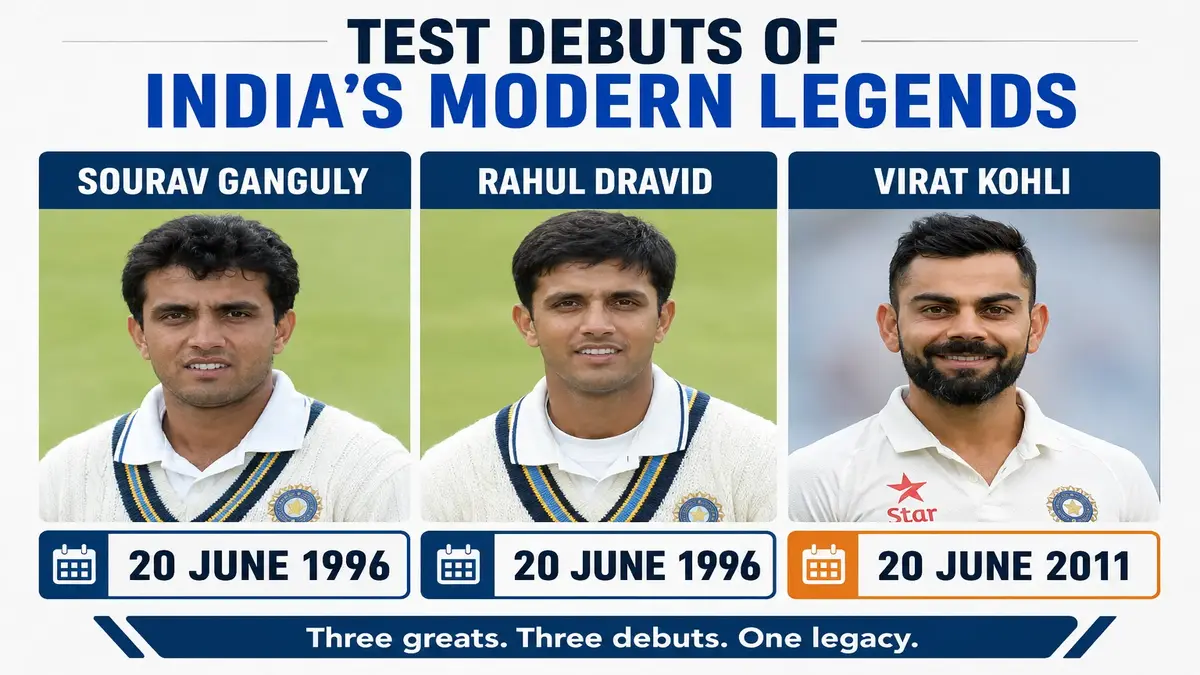
Have you ever noticed how some dates in history seem magically destined for greatness? For us cricket fanatics, 20 June is nothing short of legendary! It’s the day that defined the future of Indian cricket by gifting us three absolute titans of the game.
I find it incredible that Sourav Ganguly, Rahul Dravid, and Virat Kohli all started their Test journeys on this specific date. It’s like the cricketing gods decided June 20th was the perfect day to launch icons. Today, I want to take a walk down memory lane and honor their incredible legacies, diving deep into the numbers that make them the legends we adore.
20 June: The Day the Legends Began
It is wild to think about the impact these three have had. Whether it was Ganguly’s aggressive leadership, Dravid’s unshakeable focus, or Kohli’s relentless hunger for runs, they changed how the world sees Indian cricket.
Here is a quick look at the men behind the magic and their career-defining Test stats:
Cricketer
Test Debut Date
Test Cap No.
Matches
Total Runs
Avg
100s
Sourav Ganguly
20 June 1996
207
113
7,212
42.17
16
Rahul Dravid
20 June 1996
207
164
13,288
52.31
36
Virat Kohli
20 June 2011
269
123
9,230
46.85
30
Key Highlights of the Debutant on 20 June
Sourav “Dada” Ganguly (The Prince of Kolkata)
Debut Magic: Smashed a magnificent century (131) at Lord’s in his very first Test!
Leadership: Transformed India into a fearless unit. He instilled a “never say die” attitude, notably guiding them to the 2003 World Cup Final.
Legacy: Known for his aggressive captaincy and unparalleled success against top-tier teams, he laid the foundation for modern Indian cricket.
Rahul “The Wall” Dravid (Mr. Dependable)
Debut Grit: Showed his class immediately by scoring 95 runs in that same debut match at Lord’s.
Technique: Became the ultimate defensive master. He was known for playing the most balls and anchoring countless Indian victories, especially in overseas conditions.
Legacy: A true gentleman of the game. With over 13,000 Test runs, his commitment to the team and ability to guard the wicket is simply unmatched in history.
Virat “King” Kohli (The Run Machine)
Debut Start: Started his Test journey against West Indies in 2011; it was a humble beginning, but it paved the way for massive international dominance.
Dominance: Redefined fitness and consistency in cricket. He became the fastest to reach numerous run milestones and dominated bowling attacks in every corner of the world.
Legacy: His passion and ability to chase down any total have made him an all-time great. Even after retiring from the format, his impact remains etched in every record book.
The Numbers Tell the Story
When I look at these stats, it is not just about the volume of runs. It is about the era they represented. Ganguly gave us belief. Dravid gave us stability. Kohli gave us the hunger to win anywhere. Seeing them all tied to June 20th makes me appreciate the sport even more. They are the pillars of Indian cricket, and their journey started on a day that forever changed our sport.
My Final Thoughts
Looking back at these debuts, I realize it wasn’t just about the stats. It was about the spirit they brought to the team. They didn’t just play for themselves; they played for all of us. June 20th will always be a special date in my calendar—a day to celebrate the grit, passion, and sheer genius of these three icons. They taught me that with hard work and focus, you can conquer any arena in the world.
FAQs
1. Who debuted in the same Test match as Sourav Ganguly?
Rahul Dravid made his Test debut in the same match as Sourav Ganguly, which took place at the historic Lord’s Cricket Ground on June 20, 1996.
2. How many runs did Sourav Ganguly score on his Test debut?
Sourav Ganguly scored a brilliant 131 runs against England at Lord’s in his maiden Test innings, announcing his arrival in style.
3. Why is Rahul Dravid often called “The Wall”?
Dravid earned this nickname due to his exceptional defensive technique, his legendary ability to stay at the crease for long hours, and his role as the anchor for the Indian batting lineup.
4. When and against whom did Virat Kohli make his Test debut?
Virat Kohli made his Test debut on June 20, 2011, against the West Indies in Kingston, Jamaica, starting a stellar 14-year Test career.
5. Is June 20th an official holiday in Indian cricket?
While not an official government holiday, June 20th is celebrated by cricket fans and media as a historic date that marked the beginning of three of India’s greatest Test careers.
When I was 15 years old I found myself with long hair, an eccentric bowling action that still isn’t an aesthetic delight to this day, and occasionally ball in hand for one of the various Northumberland age-group sides that I eventually elected not to trial for again after the summer of 2023. It was the closest I’ve ever come to some level of recognition in the cricketing universe, dreaming some day of honours on the international stage just as so many lads the same age do.
Here we are a mere three years later and a boy of that same age as me back then (which still feels like yesterday, by the way) has been named in India’s senior squad to tour Ireland and England in Vaibhav Sooryavanshi.
On one level, that just made me feel ancient. But on another, it really got me thinking about how I could never imagine anyone of that age I ever played with at that level anywhere near the full England international squad.
Now, if you’ve ever used Wikipedia, which if anyone says they refuse to do, they are lying, you’ll know what I mean when I speak of a ‘Wikipedia Rabbithole’.
I need to go down one now to try and make some sense of my argument.
One of the first things I saw on the Wikipedia article for cricket was its nickname, The Gentlemen’s Game. At a glance, that describes a game played in good spirit – I must refuse to make this article about the spirit of cricket because there’s just no point – though I’m nerdy enough to have done A-level PE and understand the connotations of such a moniker.
The late Professor Freeman as early as the ninth edition of Encyclopaedia Britannica described an “order of ‘gentlemen’ as a separate class… forming as something new” – in other terms, a demonym reserved for those of high class that conduct themselves by a non-rigid set of societal rules to sustain such a status. Think Anthony in the Bridgerton series.
The ninth edition of Brittanica came out incrementally over a stretch of history that now dates back to up to 151 years ago, only after the first Industrial Revolution was a thing of the past. Paper 3 content on OCR A-level PE did a good job, at least for me, of picking apart the class system’s impact on cricket from just after the medieval period, through both British Industrial Revolutions, the 20th century and into the modern day.
151 years ago was just over 20 years into the Second Revolution. A time where factories opened up literally everywhere and started enlisting their players to play professional sport to keep workers fit and healthy and boost morale.
The most prominent example of this is of course football, with factories such as that in Newton Heath (eventually Manchester United) being the roots of modern-day titans of the game. Cricket was no exemption to this, and many early County Championship players were previously factory workers, as well as coal miners and farmers. The Revolution practically invented professional sport in the United Kingdom as common practice.
But prior to about 1850, being paid to play a child’s game in the eyes of these ‘gentlemen’ was at best looked down upon and at worst seen as societal unworthiness manifest.
The game of cricket during this period and well before was dominated by the class that could afford travel to and from games, kit, and the like. So not the serfs of the mid-16th century when cricket was first referenced definitively in the South East of England.
Those of a working class who did play cricket had to wash the gentlemen’s kit and were generally restricted to being what club cricketers nowadays call being “fresh-aired” – not batting or bowling for an entire game. Happened to Adil Rashid in a Test match against India back in 2018, bless him.
What else was happening from the mid-16th century onwards to within the lifetimes of many people still alive today, I hear you ask?
The, uh, Sizeable Portion of Planet Earth Claimed By The United Kingdom In That Period?
The British Empire.
These gentlemen introduced cricket to wherever the British went, particularly the West Indies, South Asia, Oceania, and the southern tip of Africa. In keeping with trends seen in other sports, these teams ended up beating the British at their own damn game.
Let me go back to Vaibhav Sooryavanshi. This ACTUAL CHILD took one look at the greatest Indian fast bowler of all time (move aside Kapil Dev) in Jasprit Bumrah and launched him for six over the leg side without even moving his feet. How utterly ridiculous is that?
Could 15-year-old me have done that? Hell no!
Could any 15-year-old that I’ve played with or against at any level of English cricket do that?
*insert any word worse than hell here* no!!
Why is this, I found myself asking on Sunday afternoon?
Now, one thing is the sheer amount of people in India. I’ve been, and it’s A LOT of people. Everywhere and wherever one goes. In a country full of so many people with a desire to master the game of cricket, this remarkable ability at an age where one can’t buy a can of Monster from Tesco is perhaps inevitable at some point in history through simple law of averages.
Another is the removal of gentlemen from the picture.
Ah, the so-called spirit of cricket that I said I wasn’t going to write about, a set of unwritten rules that are actually written and have been the subject of much conflict between and within entire cricketing nations as far back as their official (but yet unofficial) codification. For me, this abstract philosophy is all to do with the perception of the game as in keeping with gentlemens’ own un/official codes of honour.
After all, it’s their own game, apparently.
The idea of the word ‘gentleman’ as defining its own position on the ladder of British society reflects discourses between those that introduced cricket to places such as India and those that took it up in wake of that; the oppressor and the oppressed, in many instances.
After, for example, being dragged by the British into two World Wars driven entirely by affairs happening thousands of miles away, why would any of the countries that the British Empire eventually issued nothing more than an apology to want to replicate their oppresors’ styles of cricket?
This does not merely extend to the British concept of the spirit of cricket. The ‘English way’ of playing the game until what we now know as the modern tactics and trends within matches has through history been one of being patient, and perhaps deliberately boring at times. But to stick with the example of India, and South Asia generally, what was once a growing trend in how younger generations played the game is now a deeply entrenched idea of being fearless, flashy, and unafraid to dare to go where others may not in the quest to score 100 runs or take five wickets.
Let’s go to the other side of the world. We talk of players with ‘Caribbean flair’ such as Viv Richards, Chris Gayle and Andre Russell. It’s not just timing and swagger; it’s a reminder that their people liberated themselves from the old-fashioned, ‘boring’ ways of those they used to call their masters.
It’s interesting to me in this same vein that England’s women won an ODI World Cup before the England men. The success of England’s women earlier in this format than their male counterparts could also be said to have blossomed from breaking free from the chains of the old brand of English cricket that was male-dominated in its roots. Though what started this thought-train was my ever-active brain’s remembering of Ian Smith’s commentary of the 2019 men’s Cricket World Cup final at Lord’s.
“Seven weeks of cricket. 48 games. One ball. Here’s Boult.”
“Guptill’s gotta push for two, they’ve got to go! He’s gonna have to go to the keeper’s end… HE’S GOT IT! ENGLAND HAVE WON THE WORLD CUP, BY THE BAREST OF MARGINS! BY THE BAREST OF ALL MARGINS!” That one.
As a modern-day England fan, where did all the good times go? This I sit and ponder.
I’ve mentioned the law of averages already and I’ll use it again; when you have as many good players and leaders in your side as England did then, you’re statistically more likely than anyone to win a home World Cup by most metrics.
But teams become relics of the past. Players retire, get dropped, some combination of the two… it doesn’t matter. What makes success such as that enjoyed by teams such as India so consistent is the attitude and belief that it doesn’t matter what a few old English men that own a bit of land have to say about the way the game is played both tactically and in terms of the ‘spirit of cricket’. England haven’t fully shaken that to this day.
In the build-up to Eoin Morgan’s appointment to the post of England’s white-ball captain in late 2014, there was a perception around England’s ODI and T20 teams as timid, defensive, and in need of reinvigoration; anything that would help break the side free from the shackles of their own historical making.
They set the target of winning the most coveted prize in the game in 2019 and did it. Fair play.
But much like after the best period in Test cricket in most England fans’ memories that saw another brilliant team climb to number one in the world a decade before, there ended up being a pertinent question. What mountain do we climb now?
A second T20 World Cup title three years later provided something of an answer, and that was followed by a home summer that stunned anybody who had watched England’s Test team play for even 10 minutes in the previous year and reignited hope for English cricket fans that their team had finally caught on to how the rest of the world were playing the game. Again, fair play.
Not the worst eight or so years for English cricket all things considered, albeit never consistent across formats and never without controversy.
But where next after all that?
Truth is, the England men’s side haven’t had any notable success in any format for near enough four years. A moral victory in the home Ashes in 2023 (I’m kidding) did enough to give fans a fair bit to cheer about, but the consensus around what needs to be done to replicate and then sustain that success has ended up being that England need to become more defensive again. Swings and roundabouts.
In a cricketing sense, England of late haven’t gotten that balance right.
So both in tactical and ideological terms, perhaps they should take notes from those they introduced the game of cricket to.
The Indian Premier League (IPL) is more than just a cricket tournament; it’s a global phenomenon that keeps fans on the edge of their seats.
Since its inception in 2008, the league has seen underdogs rise, giants stumble, and legends being made. If you are looking for the definitive IPL winners list, you’ve come to the right place.
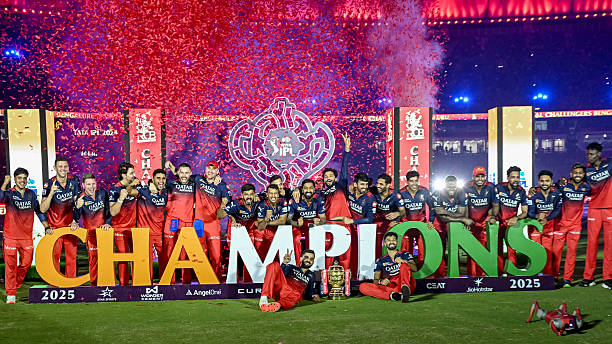
From Rajasthan’s inaugural fairy tale to RCB’s historic maiden title in 2025, the journey has been nothing short of a cinematic masterpiece.
IPL Winners List (2008–2025)
The competition has grown fiercer with every passing year. While some teams have established dynasties, others have waited nearly two decades to taste glory.
Here is the complete breakdown of every champion that has lifted the coveted trophy.
Year
Winner
Runner-up
Result
2025
Royal Challengers Bengaluru
Punjab Kings
Won by 6 runs
2024
Kolkata Knight Riders
Sunrisers Hyderabad
Won by 8 wickets
2023
Chennai Super Kings
Gujarat Titans
Won by 5 wickets
2022
Gujarat Titans
Rajasthan Royals
Won by 7 wickets
2021
Chennai Super Kings
Kolkata Knight Riders
Won by 27 runs
2020
Mumbai Indians
Delhi Capitals
Won by 5 wickets
2019
Mumbai Indians
Chennai Super Kings
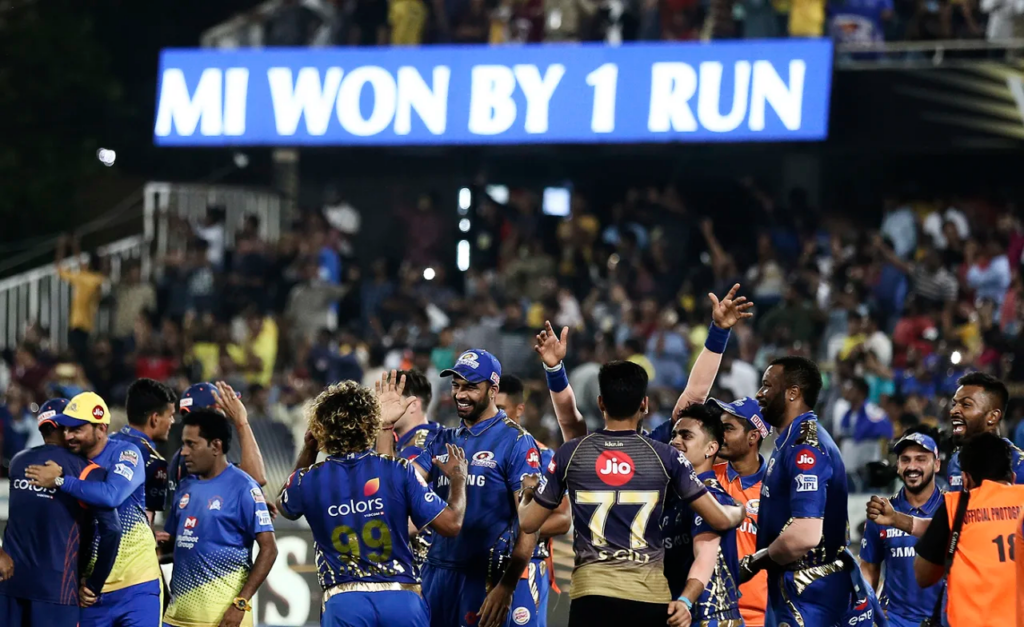
Won by 1 run
2018
Chennai Super Kings
Sunrisers Hyderabad
Won by 8 wickets
2017
Mumbai Indians
Rising Pune Supergiant
Won by 1 run
2016
Sunrisers Hyderabad
Royal Challengers Bangalore
Won by 8 runs
2015
Mumbai Indians
Chennai Super Kings
Won by 41 runs
2014
Kolkata Knight Riders
Kings XI Punjab
Won by 3 wickets
2013
Mumbai Indians
Chennai Super Kings
Won by 23 runs
2012
Kolkata Knight Riders
Chennai Super Kings
Won by 5 wickets
2011
Chennai Super Kings
Royal Challengers Bangalore
Won by 58 runs
2010
Chennai Super Kings
Mumbai Indians
Won by 22 runs
2009
Deccan Chargers
Royal Challengers Bangalore
Won by 6 runs
2008
Rajasthan Royals
Chennai Super Kings
Won by 3 wickets
Dominating the Charts: Most Successful IPL Teams
When you look at the IPL winners list, two names scream dominance: Mumbai Indians (MI) and Chennai Super Kings (CSK). Both franchises have a staggering five titles each, showcasing why they are considered the gold standard of T20 leagues.
Kolkata Knight Riders (KKR) recently surged to three titles after their clinical performance in 2024. Meanwhile, the IPL champions club welcomed its newest member in 2025, as Royal Challengers Bengaluru (RCB) finally ended their 18-year “Ee Sala Cup Namde” wait.
The 2025 season changed the narrative of the entire IPL winners list. In a high-octane final at the Narendra Modi Stadium, RCB defeated Punjab Kings by 6 runs. Krunal Pandya’s all-round heroics and Virat Kohli’s leadership (in spirit and bat) finally brought the trophy to Bengaluru.
It wasn’t just a win; it was a festival. Fans who had been loyal through the “wooden spoon” years finally saw their team join the elite list of IPL trophy winners.
Conclusion
Navigating through the IPL winners list is like taking a trip down memory lane, filled with last-ball finishes and breathtaking catches.
Whether it’s the strategic masterclass of MS Dhoni, the aggressive intent of Rohit Sharma, or the sheer resilience of the new-age RCB, the IPL continues to redefine cricket.
As we look forward to the 2026 season, the question remains: will a new champion emerge, or will the old guards reclaim their throne? Stay tuned, because in the IPL, the only constant is total entertainment!
Frequently Asked Questions
1. Which team has won the most IPL titles till 2025?
As per the latest records, Mumbai Indians (MI) and Chennai Super Kings (CSK) are tied at the top with 5 titles each. They are the most successful franchises in the history of the league.
2. Who won the IPL 2025 final?
Royal Challengers Bengaluru (RCB) won the IPL 2025 final by defeating Punjab Kings (PBKS) by 6 runs. This was RCB’s first-ever IPL title since the league started in 2008.
3. Has Virat Kohli ever won an IPL trophy?
Yes! Virat Kohli finally lifted the IPL trophy in 2025 with Royal Challengers Bengaluru. Although he wasn’t the captain, he was the backbone of the team that secured their maiden championship.
4. Which team won the very first IPL in 2008?
The Rajasthan Royals (RR), led by the legendary Shane Warne, won the inaugural edition of the IPL in 2008. They defeated Chennai Super Kings in a thrilling final.
5. Who are the current defending champions of the IPL?
The current defending champions are Royal Challengers Bengaluru, who won the 18th edition of the tournament in June 2025.
The Indian Premier League is often called a graveyard for bowlers, but every so often, a master of the ball turns the tables. While the crowd roars for sixes, the best bowling performances in the IPL remind us that a single devastating spell can dismantle the most expensive batting lineups. From fiery pace to bamboozling spin, these performances have defined the league’s history.
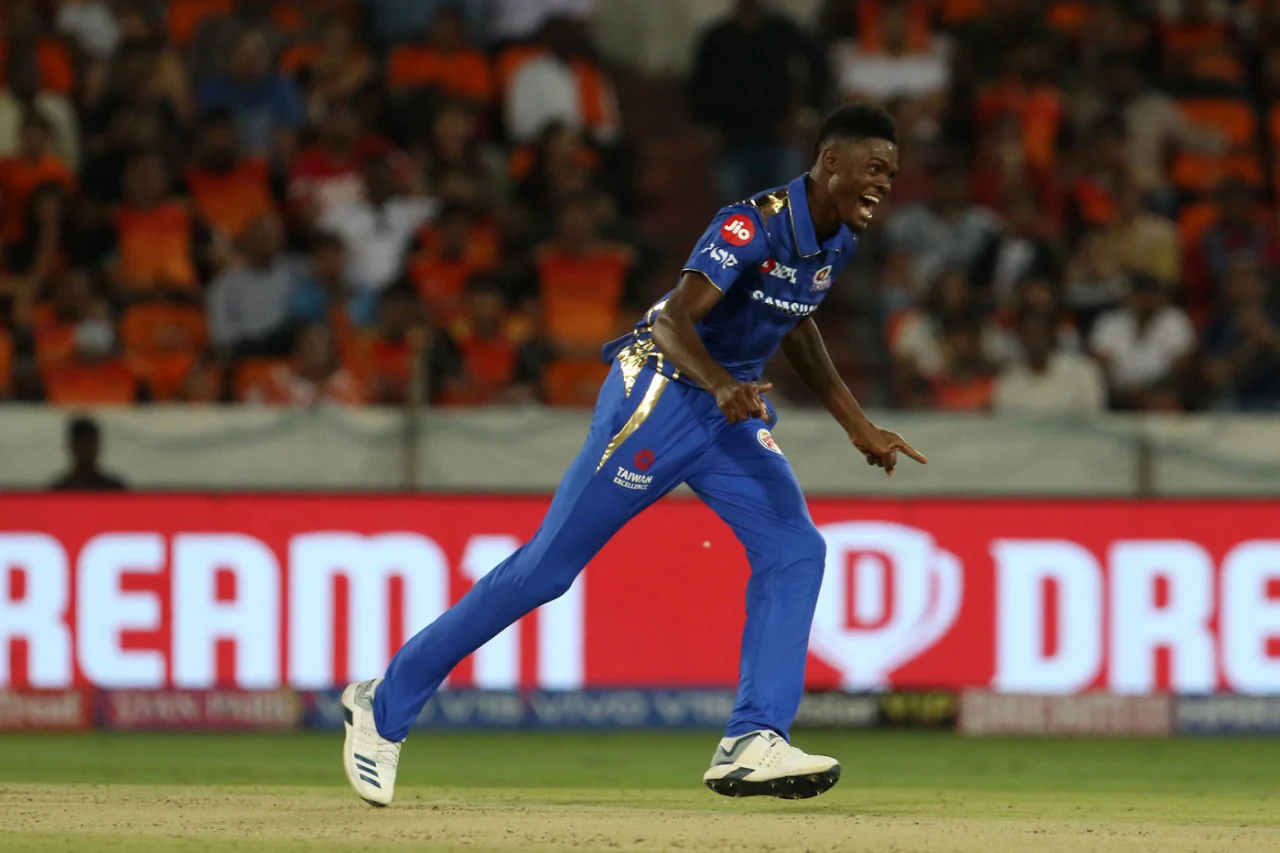
1. Alzarri Joseph: The Dream Debut (6/12)
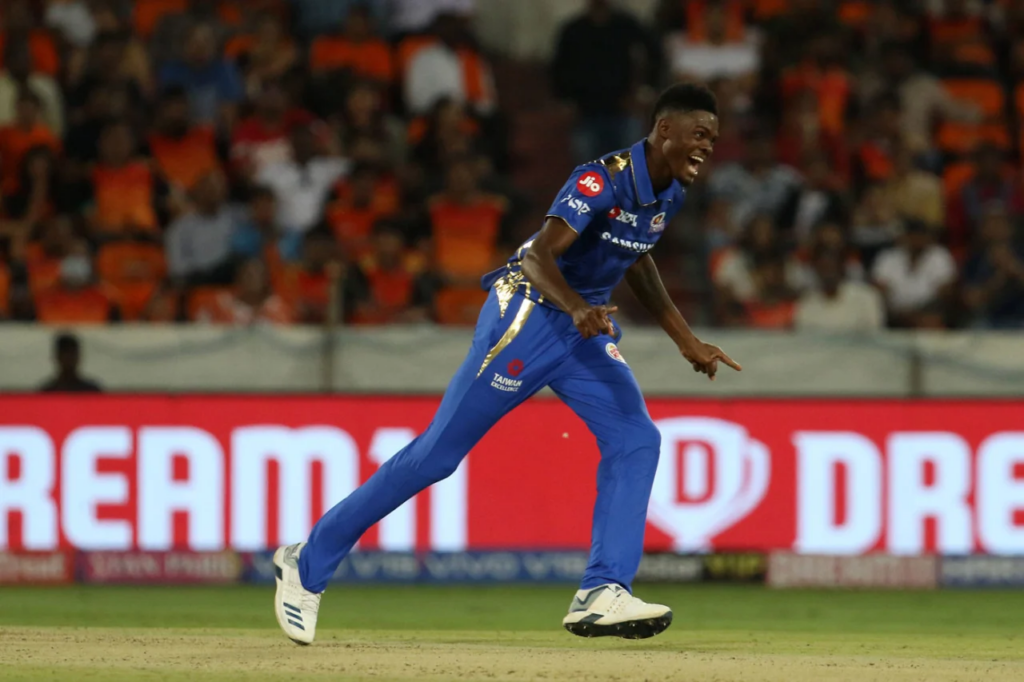
In 2019, a young Alzarri Joseph didn’t just walk into the IPL; he kicked the door down. Playing for Mumbai Indians against Sunrisers Hyderabad, he dismantled the opposition with a legendary spell of 6/12.
He broke a record that had stood for 11 years, proving that raw pace and accuracy could still dominate the T20 format. It remains the gold standard for any bowler entering the league.
2. Sohail Tanvir: The Original King (6/14)
Long before the modern era of data analytics, Sohail Tanvir set the bar in the inaugural 2008 season. His unusual action and lethal swing earned him figures of 6/14 for Rajasthan Royals against CSK.
Tanvir’s spell was the cornerstone of the Royals’ fairytale title run. For over a decade, his name was the first that came to mind when fans discussed the best bowling performances in the IPL.
3. Adam Zampa: The Spin Wizardry (6/19)
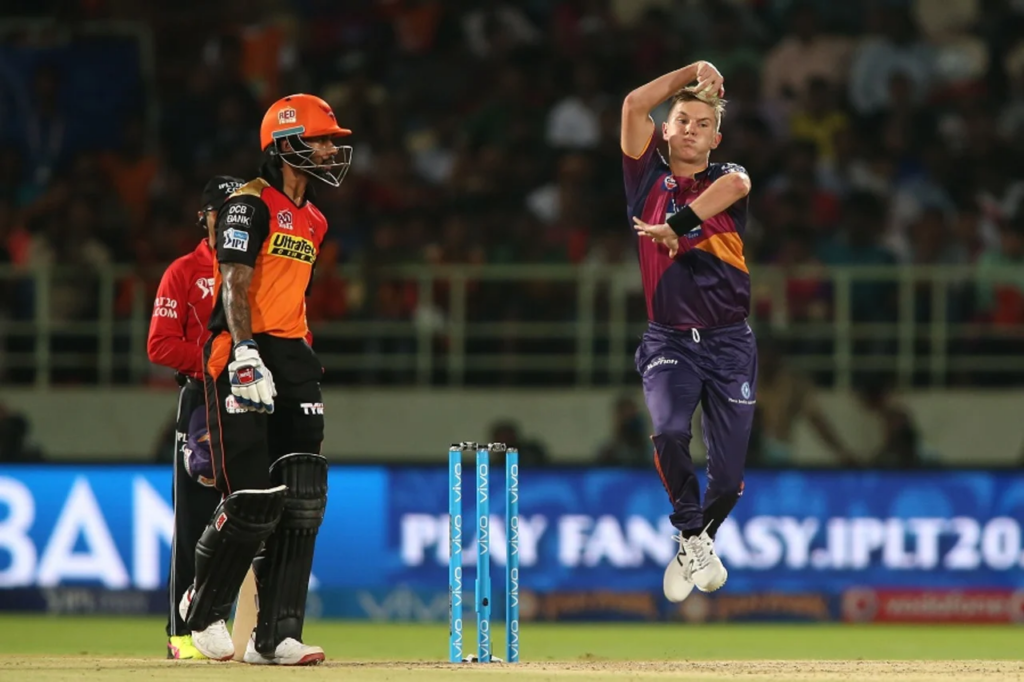
Spinners rarely get the chance to take six wickets in a 20-over game, but Adam Zampa made it look easy in 2016. Representing Rising Pune Supergiant, he sliced through the SRH batting order to finish with 6/19.
Despite his heroic efforts, his team actually lost the match—a rare moment where an individual masterclass wasn’t enough to secure the points.
4. Anil Kumble & Akash Madhwal: The 5/5 Club
Two names, one identical, unbelievable stat line. Anil Kumble (2009) and Akash Madhwal (2023) both achieved the impossible: 5 wickets for just 5 runs.
Kumble’s spell in Cape Town was a masterclass in leg-spin.
Madhwal’s performance was even more high-stakes, coming in an Eliminator for Mumbai Indians.
The recent 2025 season saw some absolute peaches. Mitchell Starc proved his price tag by bagging 5/35 against SRH, using toe-crushing yorkers to remind everyone why he’s a world-class threat. Not to be outdone, Hardik Pandya turned back the clock with a gritty 5/36 against LSG, showing that the “Captain’s Spell” is still very much alive.
Conclusion
Whether it’s the legendary 6-wicket hauls or the surgical precision of a 5/5 spell, the best bowling performances in the IPL are what keep the game balanced.
These moments of brilliance prove that even in a batter’s game, the man with the ball in hand can still be the ultimate match-winner. As the 2026 season approaches, fans are eager to see who will be the next to etch their name into the history books.
FAQs
1. Who has the best bowling figures in IPL history?
As of 2026, the record for the best bowling figures in IPL history is held by Alzarri Joseph, who took 6 wickets for 12 runs for Mumbai Indians against Sunrisers Hyderabad in 2019.
2. Which Indian bowler has the best figures in the IPL?
The record for the best bowling figures by an Indian is shared by Anil Kumble and Akash Madhwal, both of whom finished with incredible figures of 5/5.
3. Has anyone ever taken 7 wickets in an IPL match?
No, as of the latest 2025/2026 records, no bowler has ever taken 7 wickets in a single IPL match. The current limit remains 6 wickets, achieved by only three bowlers: Alzarri Joseph, Sohail Tanvir, and Adam Zampa.
4. Who is the highest wicket-taker in IPL history?
Yuzvendra Chahal holds the record for the most wickets in IPL history, being the first bowler to cross the 200-wicket milestone. By early 2026, his tally stood at 221 wickets.
5. What were the best bowling figures in the IPL 2025 season?
The best bowling figures in the IPL 2025 season were recorded by Mitchell Starc, who took 5/35 for the Delhi Capitals against Sunrisers Hyderabad.
From the very first ball in 2008 to the high-octane finishes of the 2025-26 season, the Indian Premier League has been the ultimate playground for power hitters. Whether it’s a veteran showing his class or a young gun smashing records, these innings define why we love the game.
Best Scores in IPL History
Here are the best Scores in IPL history;
The Night the Universe Boss Stood Tall
No discussion about the best batting performances in the IPL is complete without mentioning the “Gayle Storm.” In 2013, Chris Gayle turned the M. Chinnaswamy Stadium into his personal video game.
Playing for RCB against Pune Warriors India, Gayle smashed an unbeaten 175 off just 66 balls*. He reached his century in a mind-blowing 30 deliveries. With 17 towering sixes, this remains the highest individual score in T20 history, setting a benchmark that seems almost untouchable even years later.
Brendon McCullum: The Spark That Lit the Fire
Before Gayle, there was Brendon McCullum. On the opening night of the inaugural IPL in 2008, “Baz” played an innings that changed cricket forever.
His 158 for KKR against RCB wasn’t just a hundred; it was a statement. He proved that T20 wasn’t just a short game—it was a spectacle. Every boundary he hit that night acted as a foundation for what the IPL has become today: a global phenomenon of pure entertainment.
Legendary Innings You Can’t Ignore
The league has seen some truly magical moments from players who redefined the term “impact.”
Player
Score
Impact
Virat Kohli
113 (50)
Scored with stitches in his hand vs KXIP (2016).
AB de Villiers
133* (59)
The ultimate masterclass of 360-degree hitting vs MI.
Suresh Raina
87 (25)
A blistering assault that nearly pulled off the impossible vs PBKS.
Marcus Stoinis
124* (63)
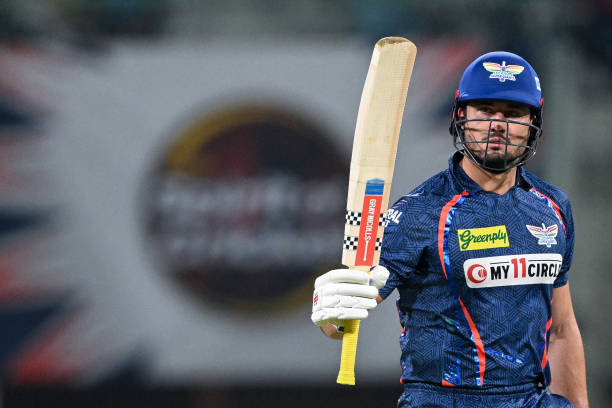
The highest successful run-chase score vs CSK at Chepauk (2024).
Modern Day Mayhem: The New Era
Cricket has evolved, and the best scores in IPL history now feature even more aggressive strike rates. In 2024, Travis Head destroyed bowling lineups with a 39-ball century.
More recently, in the 2025 season, Abhishek Sharma etched his name into the history books with a sensational 141, proving that the next generation is ready to push the boundaries of what’s possible.
Why These Innings Matter
It’s not just about the runs. It’s about the context. When Virat Kohli scored 973 runs in a single season, it was a display of peak consistency. When AB de Villiers took apart the world’s best death bowlers, it was pure genius. These performances are the soul of the IPL, providing the highlights we watch on repeat.
Conclusion
Wrapping up, the best batting performances in the IPL serve as a reminder of why this league is the gold standard of T20 cricket. From Gayle’s raw power to Kohli’s surgical precision, these moments have built the IPL’s legacy over nearly two decades.
As the boundaries get shorter and the bats get heavier, we can only wait and see who will provide the next legendary knock that leaves the world speechless.
Frequently Asked Questions
1. Who holds the record for the highest individual score in IPL history?
Chris Gayle holds the record with his legendary 175 off 66 balls* for Royal Challengers Bengaluru against Pune Warriors India in 2013.
2. What is the fastest century ever scored in the IPL?
The fastest century in IPL history belongs to Chris Gayle, who reached the triple-figure mark in just 30 balls during his record-breaking innings in 2013.
3. Which player has the most centuries in IPL history?
As of the latest 2025-26 data, Virat Kohli leads the charts with 8 centuries, showcasing his incredible consistency over the years for RCB.
4. What is the highest score by a batsman in an IPL run chase?
Marcus Stoinis holds this record, scoring an unbeaten 124* for Lucknow Super Giants against Chennai Super Kings at Chepauk in 2024.
5. Who scored the first-ever century in the Indian Premier League?
Brendon McCullum scored the first IPL century, smashing 158* for Kolkata Knight Riders against RCB on April 18, 2008.
Welcome, cricket fanatics! When the stumps go flying and the bails light up, there is no better feeling in T20 cricket. We often obsess over massive sixes, but as the old saying goes, batters win you matches, but bowlers win you tournaments.
If you have ever wondered which bowling legends have truly conquered this fast-paced league, you are in the exact right place. Today, we are counting down the players with the most wickets in IPL history. Buckle up as we dive into the latest updated stats, legendary spells, and the masterminds who consistently outfox the world’s best batters!
Best Bowlers in IPL
Here are the best bowlers in IPL history;
The Rise of Spin and Swing
When the Indian Premier League started, many thought it would be a graveyard for bowlers. Shorter boundaries and massive bats seemed like a nightmare for anyone running in with the ball.
But over the last 18 seasons, the bowlers have fought back brilliantly. The list of the highest wicket-takers in IPL history is heavily dominated by smart, crafty spinners and pinpoint swing bowlers. Brute pace is great, but consistency, variations, and raw cricketing intelligence are what get you to the top of the IPL bowling stats.
Top 5 Players with Most Wickets in IPL
Let’s take a look at the elite club of bowlers who have completely owned the competition. Here is the up-to-date leaderboard heading into the 2026 season.
1. Yuzvendra Chahal – The Chess Master
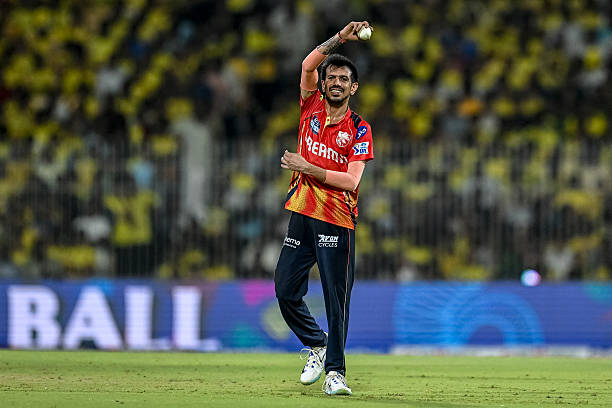
Yuzvendra Chahal sits comfortably on the absolute throne. He is the first bowler to cross the 200-wicket mark and currently boasts an unbelievable 221 wickets.
Chahal doesn’t rely on fiery pace. Instead, he uses flight, drift, and immense courage to invite big shots, only to deceive the batter at the last millisecond. Whether playing for RCB or RR, “Yuzi” has been a guaranteed match-winner.
2. Bhuvneshwar Kumar – The Swing Sultan
Coming in hot at number two is India’s swing king, Bhuvneshwar Kumar, with 198 wickets.
Bhuvi is a maestro with the new ball. He can make the white ball talk in the powerplay and perfectly execute toe-crushing yorkers in the death overs. Notably, he is one of the rare gems to win back-to-back Purple Caps, showcasing his unmatched consistency.
3. Sunil Narine – The Mystery Maestro
Locked in a tie for third place is Kolkata Knight Riders’ legendary mystery spinner, Sunil Narine, holding 192 wickets.
Narine has been a nightmare for top-order batters since his debut. Even with batters analyzing his every move, his supreme economy rate and knack for breaking crucial partnerships keep him at the pinnacle of IPL success.
4. Piyush Chawla – The Evergreen Leggie
Also sitting on 192 wickets is the vastly underrated Piyush Chawla. Having played across multiple franchises like PBKS, KKR, CSK, and MI, Chawla just keeps ticking. His googly is notoriously difficult to read, and his longevity in a brutal T20 format is nothing short of legendary.
Rounding out our top five is the ultimate cricket scientist, Ravichandran Ashwin, with 187 wickets.
Ashwin relies on reading the batter’s mind. With his carrom balls, arm balls, and subtle pace variations, he rarely gives away easy runs and always manages to secure crucial breakthroughs.
At a Glance: The IPL Bowling Royalty
For those who love a quick breakdown, here is the official leaderboard:
Rank
Player Name
Total Wickets
Bowling Style
1
Yuzvendra Chahal
221
Leg-spin
2
Bhuvneshwar Kumar
198
Right-arm Medium Fast
3
Sunil Narine
192
Right-arm Off-spin
4
Piyush Chawla
192
Leg-spin
5
R. Ashwin
187
Right-arm Off-spin
Honourable Mentions: Fast-bowling sensations Jasprit Bumrah and Dwayne Bravo follow closely behind the top five, both boasting an incredible 183 wickets. Lasith Malinga also remains a legacy icon with 170 wickets in just 122 matches!
Conclusion
In the end, T20 might be advertised as a batter’s game, but the players with most wickets in IPL history prove that smart bowling always prevails. From Chahal’s loopy leg-breaks to Bhuvneshwar’s deadly swing, these bowlers have etched their names in gold.
Watching them outsmart power-hitters year after year is an absolute treat for any cricket lover. Keep an eye on these bowling maestros, as the record books are always waiting to be rewritten!
Trending FAQs
Q1. Who is the highest wicket-taker in IPL history?
Yuzvendra Chahal is the leading wicket-taker in the history of the IPL. As of the latest stats heading into 2026, the crafty leg-spinner has secured 221 wickets.
Q2. Which fast bowler has the most wickets in the IPL?
Bhuvneshwar Kumar is the most successful fast bowler in IPL history. He currently holds 198 wickets and is the second-highest wicket-taker overall.
Q3. Who won the Purple Cap in the IPL 2025 season?
Gujarat Titans’ pacer Prasidh Krishna won the Purple Cap in IPL 2025. He topped the bowling charts by picking up a massive 25 wickets in just 15 matches.
Q4. Who has won the Purple Cap the most times in the IPL?
Dwayne Bravo, Bhuvneshwar Kumar, and Harshal Patel share the record for winning the Purple Cap the most times, having won the prestigious award twice each in their careers.
Q5. Is Jasprit Bumrah in the top 5 highest wicket-takers in the IPL?
Currently, Jasprit Bumrah sits just outside the top 5. He has 183 wickets, tying him with Dwayne Bravo in the extended top 10 list of all-time wicket-takers.