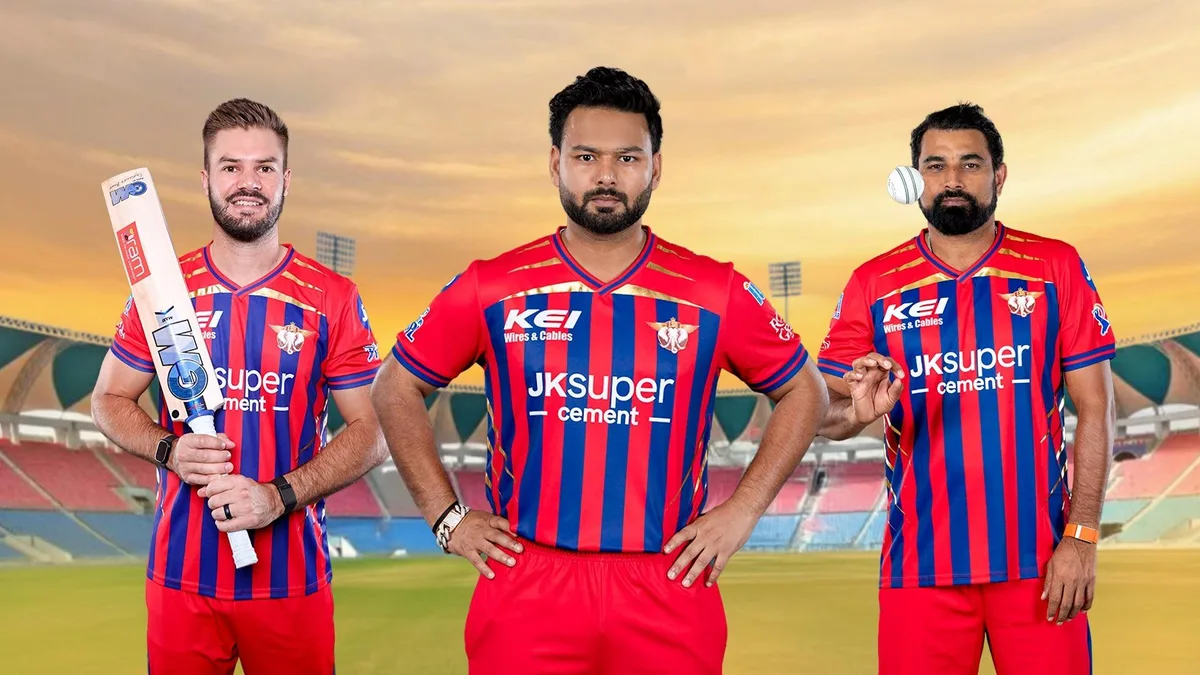
The wait is finally over, Lucknow! The Lucknow Super Giants – New Kit has officially dropped, and it’s not just a wardrobe change—it’s a total identity flip.
Shifting away from the classic dark blue, the franchise has embraced a fiery red avatar for the 2026 season. This bold move signals a “new beginning” for the team as they hunt for their maiden IPL title with a refreshed look and a revamped logo.
The Design: Why the Big Red Switch?
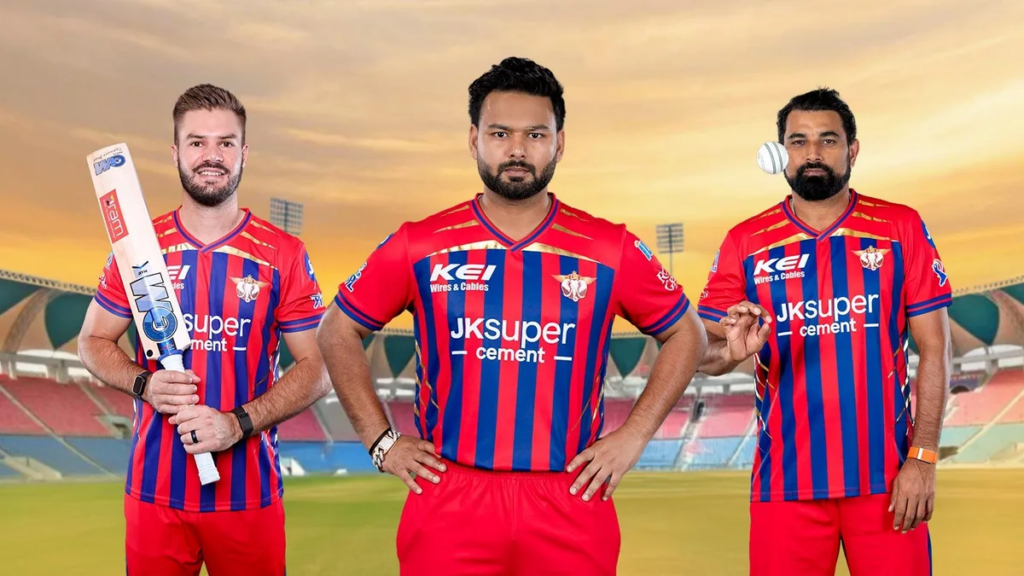
The most striking feature of the Lucknow Super Giants – New Kit is the dominant red base. According to the franchise, this isn’t just about looking sharp; red symbolizes the intensity and aggression the team plans to bring to the field.
But don’t worry, the roots aren’t forgotten. The jersey features deep blue vertical stripes that pay homage to their original colors, while golden accents represent their “championship dreams.” It’s a mix of tradition and high-octane energy that looks absolutely lethal.
LSG Logo 2026
It’s not just the threads that got an upgrade. LSG has also unveiled a brand-new logo that sits proudly on the chest.
The design now incorporates three powerful symbols:
- The Garuda: Representing the courage to rise higher.
- The Crown: A nod to the pride and responsibility toward the city of Lucknow.
- The Elephant: Symbolizing strength, wisdom, and the loyalty of the Uttar Pradesh region.
This cultural integration makes the LSG new jersey feel less like a sports uniform and more like a symbol of state pride.
Meet the New LSG Sponsors
A new look often comes with new friends. For the 2026 season, JK Super Cement has stepped up as the Principal Jersey Sponsor. Joining them is KEI Wires & Cables, further strengthening the team’s commercial backbone.
With heavyweights like Rishabh Pant leading the charge and new signings like Mohammed Shami and Anrich Nortje ready to fire, these sponsors are backing a squad that looks as strong as it feels.
Fan Reactions: Love it or Hate it?
As with any major rebranding, the Lucknow Super Giants – New Kit has set the internet on fire. While some fans love the “fearless” red vibe, others are missing the unique teal and blue shades of previous years. However, in the world of the IPL, winning is the best fashion statement. If the Super Giants can translate this aggressive new look into points on the table, that red jersey will become an instant classic.
Conclusion
The unveiling of the Lucknow Super Giants – New Kit marks a definitive turning point for the franchise. By blending the cultural symbols of Uttar Pradesh with a fierce red color palette, the team is making a loud statement of intent for IPL 2026. Whether you’re a die-hard fan or a casual observer, there’s no denying that the “Adab se Harayenge” squad is ready to take the field with newfound fire and passion.
Frequently Asked Questions (FAQs)
1. What are the primary colors of the Lucknow Super Giants – New Kit for 2026?
The new kit features a dominant red base with deep blue vertical stripes and golden accents. This is a significant shift from the previous all-blue design used in earlier seasons.
2. Who is the principal sponsor for the LSG new jersey in IPL 2026?
JK Super Cement has been announced as the Principal Sponsor for the Lucknow Super Giants for the 2026 season, with their logo appearing prominently on the front of the jersey.
3. What does the new LSG logo represent?
The updated logo features the Garuda (courage), a Crown (pride), and an Elephant (strength and regional loyalty), reflecting the cultural identity of Lucknow and Uttar Pradesh.
4. Who is the captain of LSG for the 2026 season?
The Lucknow Super Giants are led by star wicketkeeper-batter Rishabh Pant, who will be seen sporting the new red kit as he leads the team’s title charge.
5. Where can fans buy the official Lucknow Super Giants – New Kit?
Fans can purchase the official merchandise and the new jersey through the LSG official website, authorized sports retail partners, and the Ekana Stadium fan zones during match days.