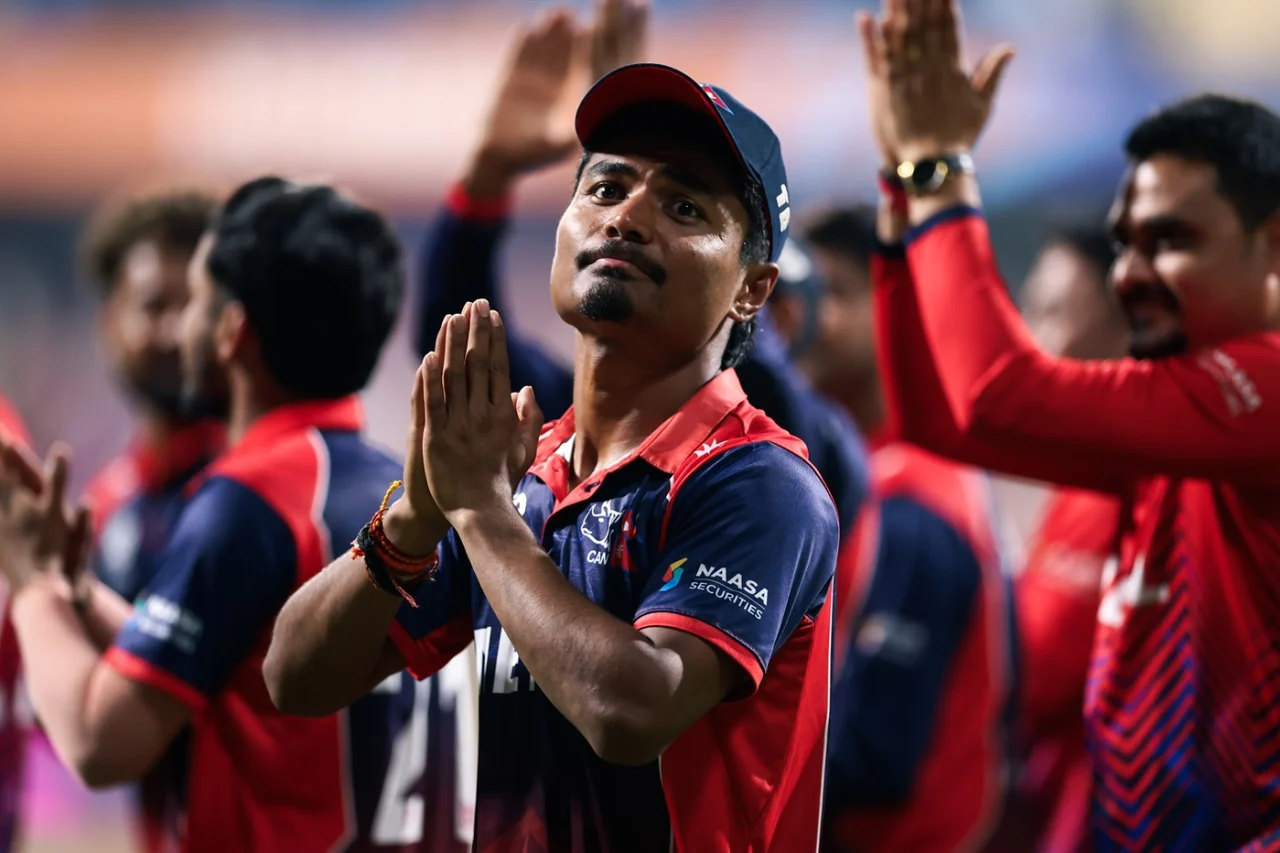
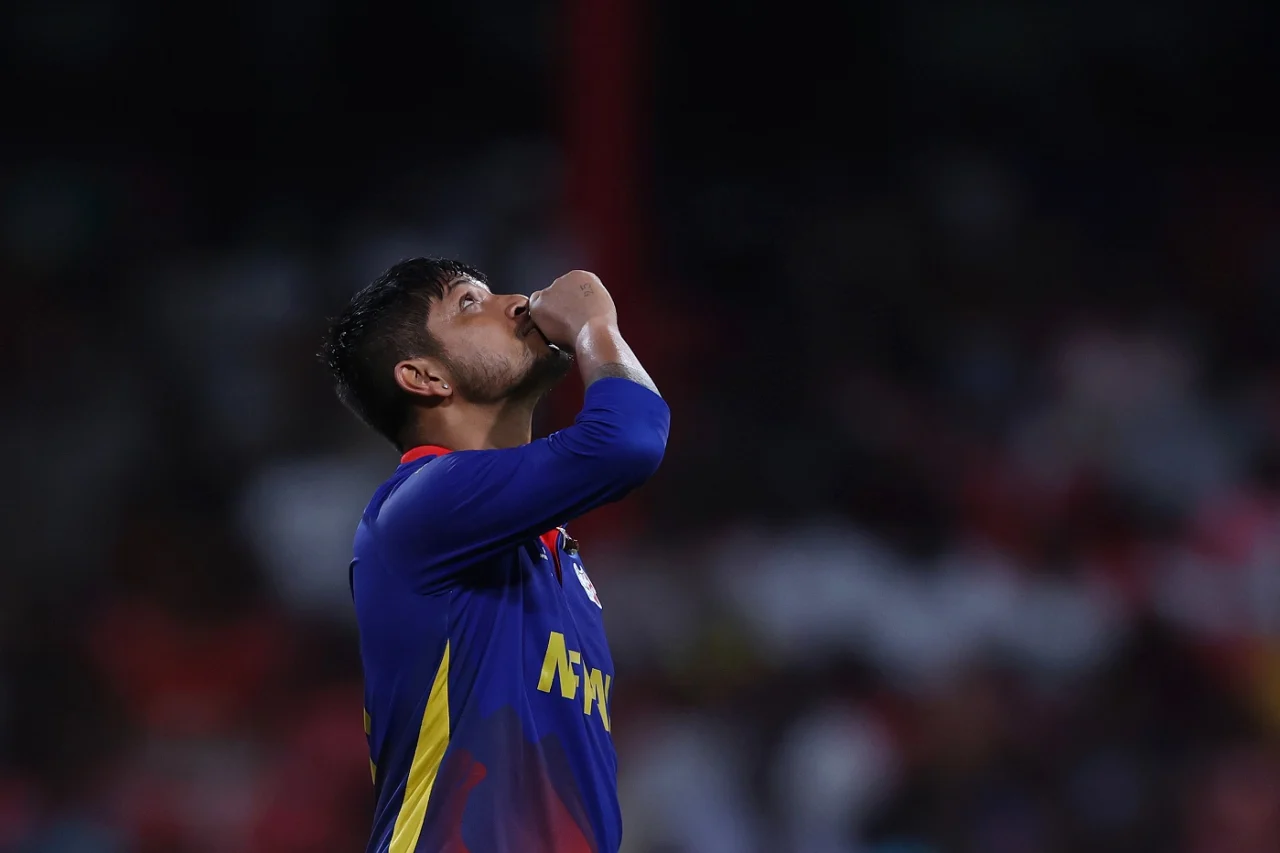
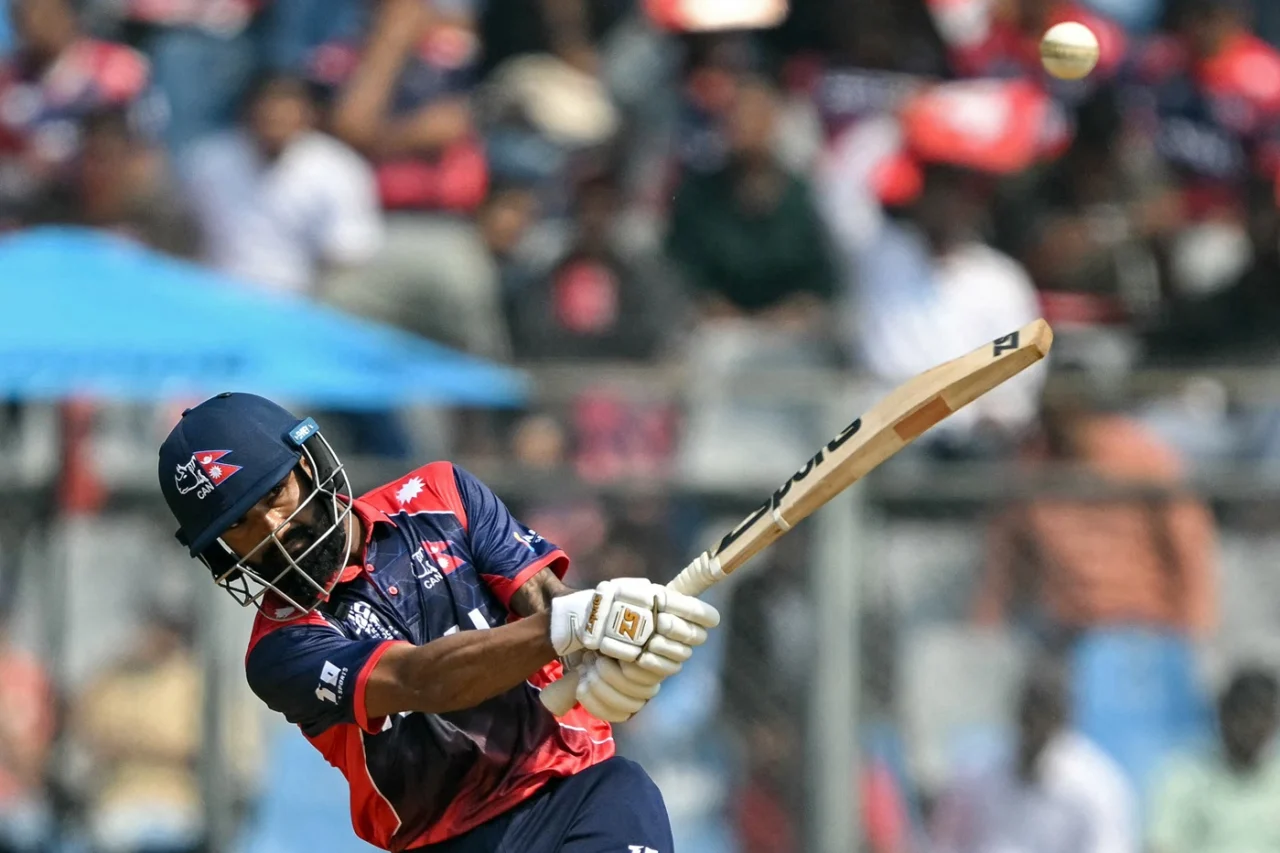
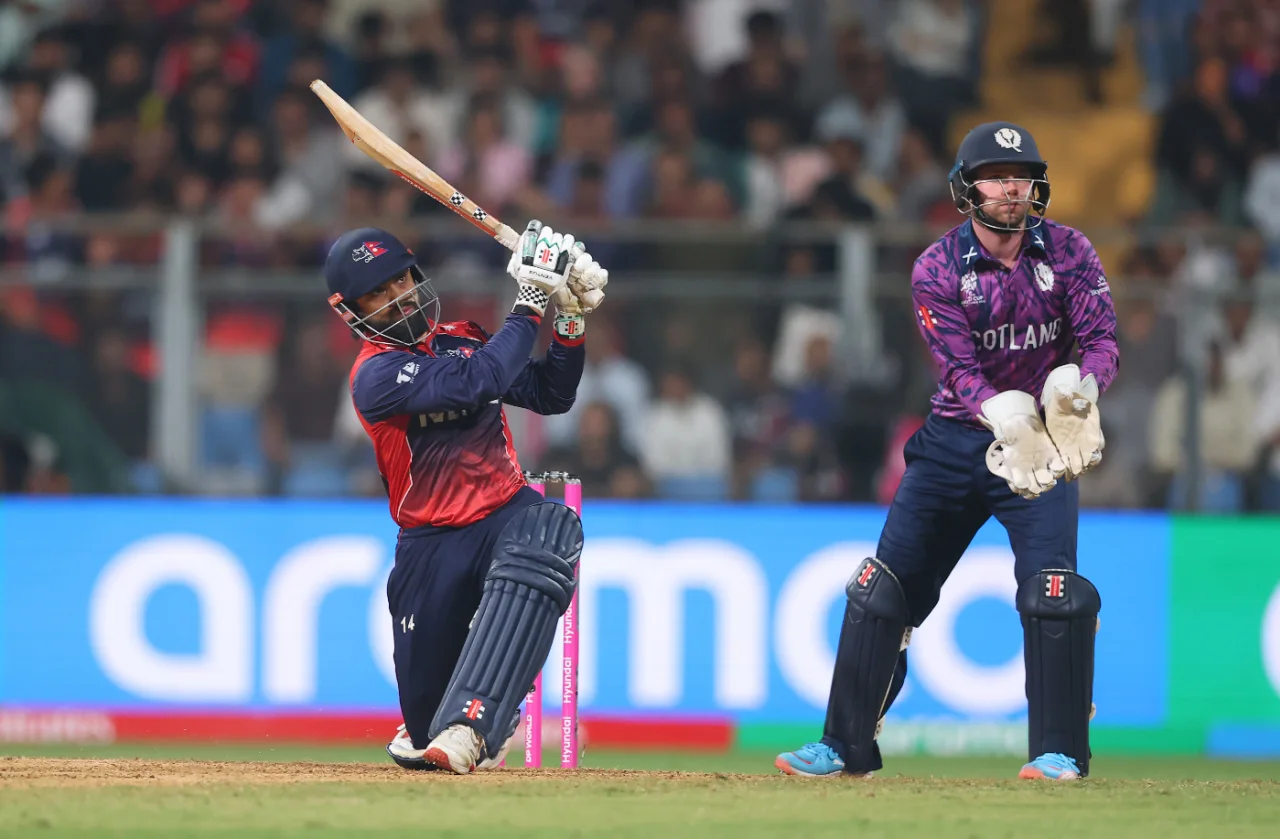
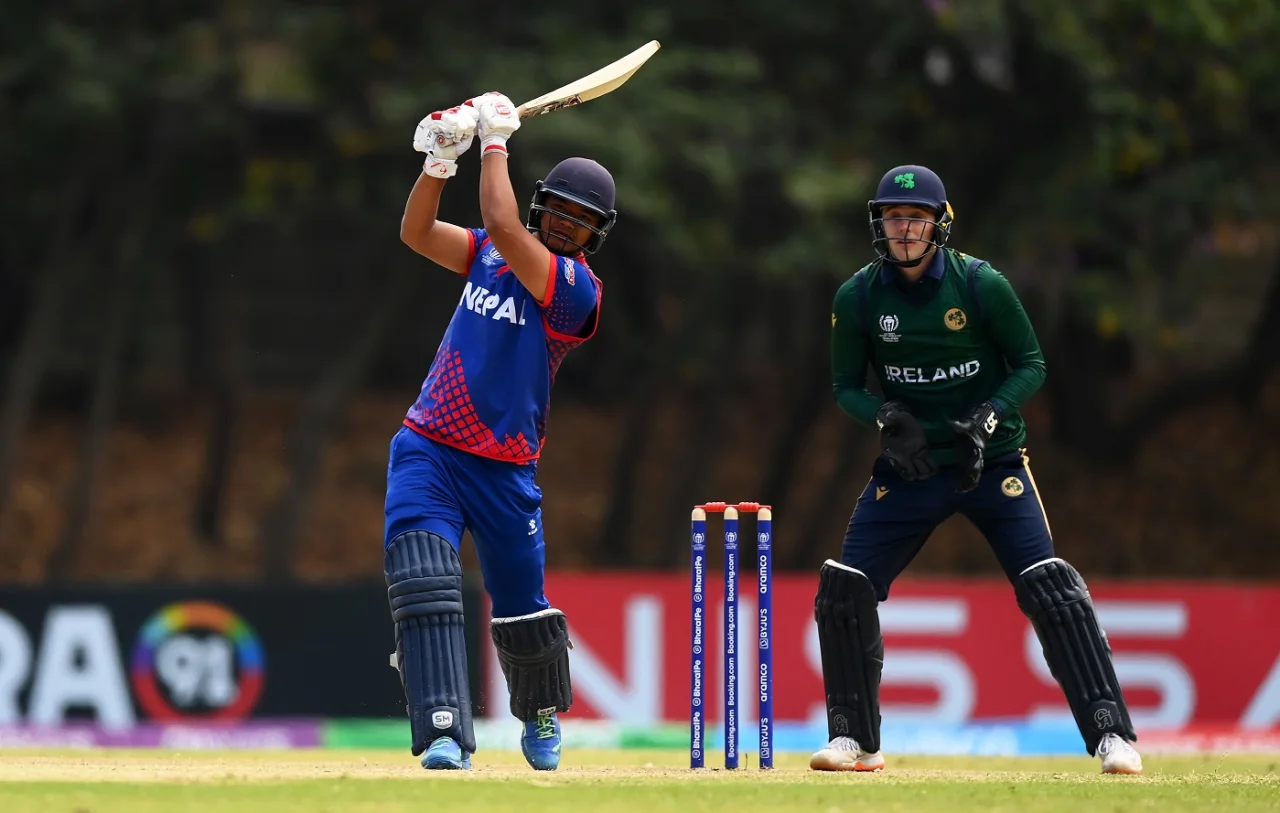
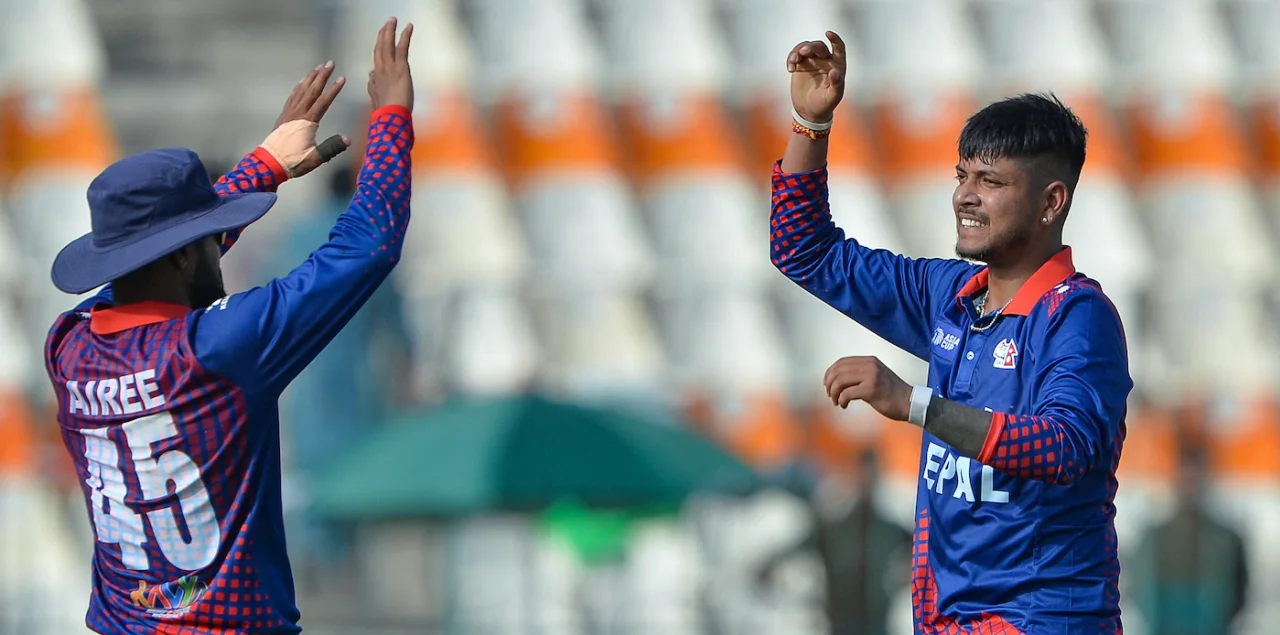
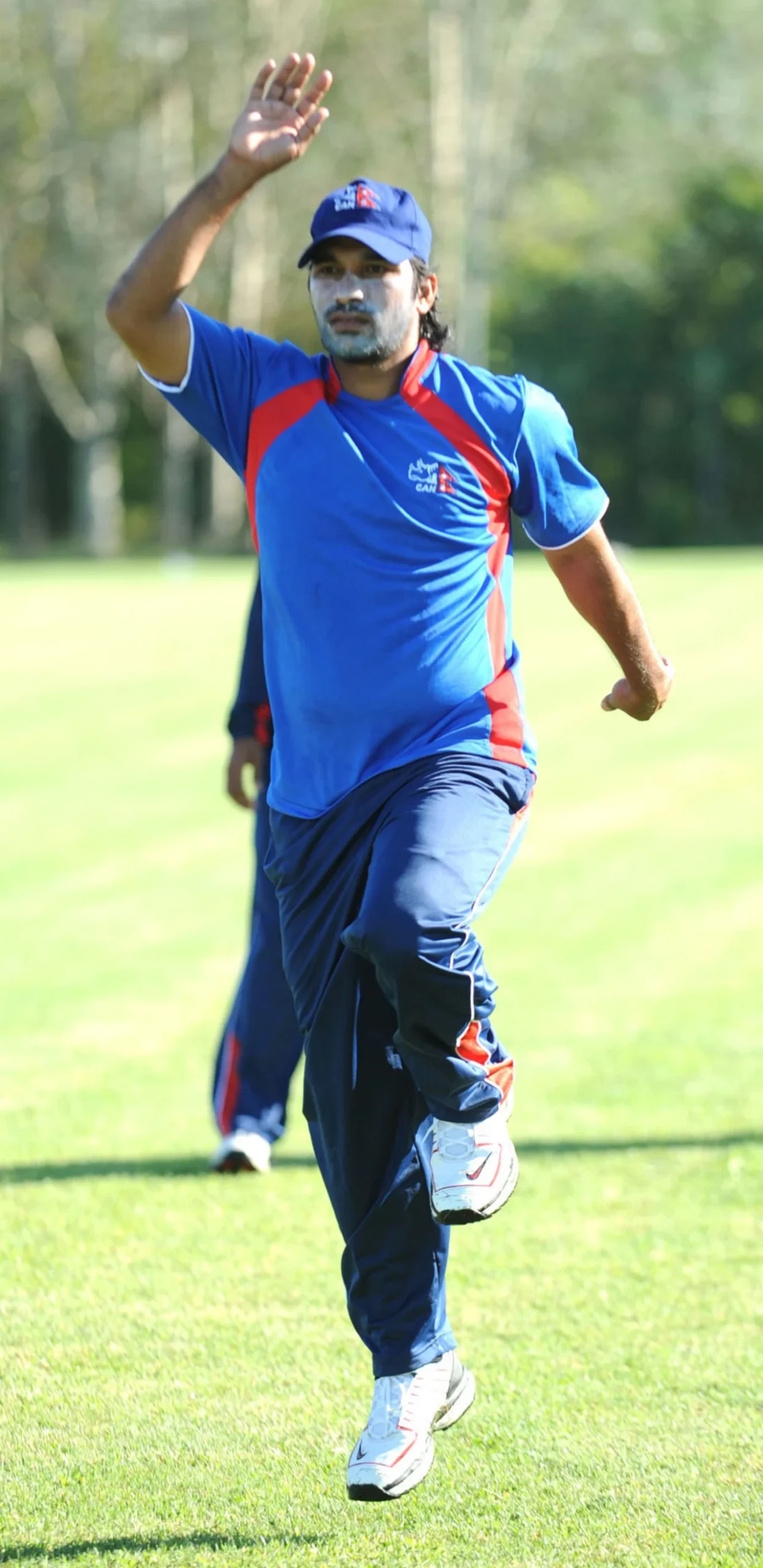
Understanding Rohit Paudel career stats reveals the inspiring journey of a teenage prodigy who grew into Nepal’s ultimate cricket pillar. Born in Nawalparasi, Rohit took the international stage by storm at age 15 and quickly became the backbone of Nepal’s middle order.
As the youngest player in men’s cricket history to score an international half-century at the time, his numbers reflect incredible discipline, mature leadership, and match-winning grit. Today, as national captain, he continues to carry the expectations of millions of passionate fans across Nepal and the subcontinent. Here is a comprehensive look into his international numbers, milestones, playing style, and latest match performances.
Rohit Kumar Paudel is a modern batting all-rounder who anchors the middle overs and chips in with handy off-spin. He leads the team from the front, often performing best under scoreboard pressure.
Detail
Information
Full Name
Rohit Kumar Paudel
Date of Birth
September 2, 2002
Birthplace
Nawalparasi, Nepal
Playing Role
Middle-Order Batter / All-Rounder, Captain
Batting Style
Right-Handed
Bowling Style
Right-Arm Offbreak
Major Teams
Nepal National Team, Lumbini Lions, Nepal U19
Rohit Paudel Career Stats: Formats Breakdown
Rohit holds the distinction of being Nepal’s leading run-scorer in ODI cricket history. His ability to build innings and accelerate at the death makes him the fulcrum of Nepal’s batting lineup.
Batting Record
Format
Matches
Innings
Runs
High Score
Average
Strike Rate
100s / 50s
ODI
88
84
2,212
126
~29.1
74.2
2 / 12
T20I
84
80
1,845
69
28.8
122.5
0 / 9
List A
100+
96
2,500+
126
~29.5
76.0
2 / 14
Bowling Record
Format
Overs Bowled
Wickets Taken
Best Bowling
Economy Rate
Bowling Average
ODI
70+
11
4/22
4.60
~29.5
T20I
58
14
2/7
6.42
18.6
Major Career Milestones & Historic Records
Rohit Paudel has broken multiple world and regional records across his international journey:
Youngest to Score an International 50: In early 2019, at 16 years and 146 days, he surpassed Sachin Tendulkar and Shahid Afridi to become the youngest male player to hit an international fifty (later eclipsed by teammate Kushal Malla).
Fourth-Youngest ODI Debutant: Rohit made his international debut against the Netherlands in August 2018 at just 15 years and 335 days.
Nepal’s All-Time Run Leader: He was the first Nepali batter to cross 1,000 ODI runs (in 2023) and subsequently the first to surpass 2,000 ODI runs.
Multiple ODI Centuries: Paudel is one of the few Nepali players with multiple ODI hundreds, highlighted by his match-winning 126 against Papua New Guinea.
Historic Captaincy Run: Appointed national skipper in late 2022, he guided Nepal through the miraculous Cricket World Cup League 2 run, winning 11 of 12 games to retain ODI status and secure World Cup Qualifier spots.
Rohit Paudel Current Form
Rohit entered the international calendar as a reliable run-getter in both 50-over competitions and T20 fixtures.
ICC CWC League 2 & Asian Premier Cup: Paudel contributed consistent middle-order runs, delivering scores of 40 against UAE, 41 against Namibia, and an unbeaten match-clinching spell of 2/7 against Oman.
T20 Strike Rate Growth: In the shorter format, his strike rate climbed past 122, adding clean sweep-shots and boundary hitting during the death overs against fast bowlers.
Franchise Cricket Impact: Leading the Lumbini Lions in the Nepal Premier League (NPL), Paudel has remained the top domestic batting draw, scoring over 550 tournament runs.
Why Rohit Paudel Matters to Subcontinent Cricket
In India and Nepal, cricket is treated with religious passion. Rohit serves as a bridge between associate cricket and global recognition.
When Nepal plays high-profile encounters against nations like India and Pakistan, his calm approach against top-tier fast bowling proves that Nepali players can compete at the highest stage. His presence provides structural stability, inspiring grassroots academies throughout the Terai and Kathmandu valley.
Conclusion
Analyzing Rohit Paudel career stats shows the evolution of a true associate cricket giant. He remains the cornerstone of Nepal’s international batting lineup, providing calmness under pressure and dynamic tactical captaincy. With youth firmly on his side, Rohit is set to climb even higher in the global cricket record books.
Frequently Asked Questions
What are the total ODI runs in Rohit Paudel career stats?
Rohit Paudel has scored over 2,212 ODI runs for Nepal, holding the record as the country’s all-time highest run-scorer in 50-over international cricket.
What is Rohit Paudel’s highest score in international cricket?
His highest score in ODI cricket is 126 runs, scored against Papua New Guinea in March 2022. In T20Is, his highest individual score is 69.
Which world record did Rohit Paudel break early in his career?
At 16 years and 146 days old, Rohit broke Sachin Tendulkar’s record to become the youngest male cricketer to score a half-century in international cricket.
Which domestic and franchise team does Rohit Paudel captain?
Besides captaining the Nepal national cricket team, Rohit Paudel plays as the marquee player and captain for the Lumbini Lions in the Nepal Premier League (NPL).
Is Rohit Paudel a pure batter or an all-rounder?
Rohit Paudel is a batting all-rounder. He bats primarily at number 4 or 5 and bowls useful right-arm off-spin, having picked up over 25 international wickets.
Sandeep Lamichhane career stats showcase the sensational journey of a leg-spinner who put Nepal on the global cricket map. From bowling in the dusty grounds of Chitwan to dismissing world-class batsmen in top franchise leagues, his sharp leg-breaks and quick googlies have produced record-breaking numbers.
For millions of cricket lovers in Nepal, India, and around the world, his rise remains one of Associate cricket’s biggest success stories. Whether leading Nepal’s bowling attack or playing in leagues like the IPL and BBL, his consistency as a wicket-taker is remarkable. Here is the complete breakdown of his career numbers, milestones, and current form.
Sandeep Lamichhane plays as a specialist right-arm leg-break and googly bowler. While primarily known for his bowling, he also bats right-handed in the lower order.
Lamichhane has maintained exceptional strike rates across both international and franchise T20 cricket. His ability to take wickets in the middle overs makes him an asset for any captain.
Format
Matches
Wickets
Best Bowling
Bowling Avg
Economy Rate
ODI
74
150+
6/11
~17.50
4.35
T20I
77
125+
5/9
~14.80
6.20
IPL
9
13
3/36
22.46
8.34
Overall T20s
170+
230+
5/9
~18.90
6.85
World Records and Major Milestones
Sandeep Lamichhane holds some of the most remarkable bowling records in limited-overs cricket:
Fastest to 100 ODI Wickets: Reached the milestone in just 42 matches, breaking the previous record held by Rashid Khan (44 matches).
Fastest to 150 ODI Wickets: Achieved the feat in just 73 innings, setting a historic world benchmark.
First Nepali Player in IPL: Made history in 2018 when Delhi Daredevils (now Delhi Capitals) signed him, opening doors for associate players in the IPL.
Hat-trick in U-19 World Cup: Grabbed international attention during the 2016 ICC U-19 World Cup by taking a hat-trick against Ireland.
In 2026, Sandeep remains the spearhead of Nepal’s national bowling attack across ICC tournaments and bilateral series.
His wicket-taking instinct remains razor-sharp. In recent competitive fixtures, he continues to pick up multi-wicket hauls while keeping his economy rate disciplined. His experience in top-tier global leagues gives Nepal tactical depth in high-pressure matches against Full Member nations and emerging teams alike.
Essential Facts About Sandeep Lamichhane
Discovered by Pubudu Dassanayake: Former Nepal coach spotted a 14-year-old Sandeep at a training camp in Chitwan and instantly drafted him into national youth setups.
Mentored by Michael Clarke: Australian legend Michael Clarke trained him at his Sydney academy in 2016 and played a major role in shaping his early international exposure.
Multi-League Nomad: He was one of the earliest Associate bowlers to play in almost every top T20 franchise tournament across five continents.
Conclusion
Evaluating the sandeep lamichhane career stats proves how a skilled wrist-spinner can overcome structural odds to achieve global records. His record-breaking climb to 100 and 150 ODI wickets cements his legacy as one of Associate cricket’s greatest match-winners.
For supporters across Nepal, India, and beyond, his ability to take wickets under pressure makes his career a compelling study in modern spin craft. As he continues leading Nepal’s attack, his numbers will inspire emerging cricketers everywhere.
Frequently Asked Questions (FAQs)
What is Sandeep Lamichhane’s fastest 100-wicket record in ODIs?
Sandeep Lamichhane reached 100 ODI wickets in just 42 matches, making him the fastest bowler in ODI history to reach the milestone, surpassing Afghanistan’s Rashid Khan.
Which IPL team did Sandeep Lamichhane play for?
Sandeep played for the Delhi franchise (Delhi Daredevils / Delhi Capitals) in the Indian Premier League from 2018 to 2020, taking 13 wickets in 9 games.
What is Sandeep Lamichhane’s primary bowling style?
He is a right-arm leg-break bowler who relies on a quick arm action, deceptive googlies, and subtle changes of pace.
Which country does Sandeep Lamichhane play for?
Sandeep Lamichhane represents the Nepal national cricket team in international cricket.
Dipendra Singh Airee career stats showcase the journey of a true icon who completely changed the face of Nepalese cricket. Born on January 24, 2000, in a small village in Nepal, this dynamic right-handed batter and right-arm off-break bowler has risen to global stardom.
Targeting passionate cricket followers across India, Nepal, and the wider world, this guide breaks down his role, recent numbers, and historic achievements. As an essential pillar for the Nepal national cricket team and franchise circuits, Dipendra Singh Airee career stats reflect unmatched consistency and match-winning brilliance.
Dipendra Singh Airee serves primarily as a batting all-rounder, providing critical balance in the middle order while chipping in with clever off-spin overs.
International Team: Nepal
Domestic & Franchise Teams: Sudurpaschim Royals (NPL), Islamabad United (PSL), Gulf Giants (ILT20), and various global T20 leagues.
Current Form (2026): Showing stellar consistency in white-ball fixtures, contributing crucial runs and economical wickets during recent ACC Men’s Premier Cup and World Cup League encounters.
Comprehensive Dipendra Singh Airee Career Stats
The table below outlines the complete breakdown of Dipendra Singh Airee career stats across major formats, highlighting his prowess as a multi-format asset.
Format
Matches
Runs Scored
Batting Average
Top Score
Wickets
Best Bowling
ODI
72
1,509
24.73
105
46
3/18
T20I
96
2,180
34.06
110*
60
4/18
List A
93
1,965
24.87
105
54
4/14
T20 (Overall)
105
2,286
32.65
110*
62
4/18
World Records and Important Facts
Fastest T20I Fifty: Entered history books by smashing a fifty off just 9 balls against Mongolia during the 2023 Asian Games.
Six Sixes in an Over: Became the third player in T20I history to hit six consecutive sixes in a single over (against Qatar in April 2024).
Milestone Pioneer: First cricketer from Nepal to cross 1,000 runs in T20I format, combining it with over 50 international wickets.
Global Franchise Reach: Made history as the first Nepal international player picked up in elite leagues like the Pakistan Super League (PSL) with Islamabad United.
Evaluating Dipendra Singh Airee career stats reveals a true generational talent who continues to put Nepalese cricket firmly on the global map.
From record-breaking T20 knocks to reliable spin spells, his journey inspires millions of fans across India, Nepal, and beyond. As he maintains stellar current form into late 2026, Airee remains a prized asset for both national duties and international franchise cricket.
Frequently Asked Questions (FAQs)
What is the date of birth of Dipendra Singh Airee?
Dipendra Singh Airee was born on January 24, 2000, and is 26 years old.
What are Dipendra Singh Airee’s primary cricket records?
He holds the world record for the fastest T20I half-century (9 balls against Mongolia) and is one of the few players to hit six sixes in a T20I over.
What is Dipendra Singh Airee’s batting and bowling style?
He is a right-handed batsman and a right-arm off-break bowler, functioning primarily as a valuable all-rounder.
Which domestic and league teams does Dipendra Singh Airee play for?
He represents Nepal internationally and plays for franchises like the Sudurpaschim Royals in the Nepal Premier League (NPL) and Islamabad United in the PSL.
Kushal Bhurtel career stats showcase the incredible journey of one of Nepal’s most explosive and reliable modern-day cricket stars. Born on January 22, 1997, in Butwal, Nepal, this right-handed opening batter and handy leg-spin bowler has captured the hearts of fans across South Asia and the globe.
Ever since his breakout international matches, he has remained a cornerstone for the Nepal national cricket team. Whether playing fearless knocks in T20 World Cups or anchoring innings in ODI leagues, his numbers highlight a true match-winner. Let us explore his complete profile, team roles, records, and current form.
Kushal Bhurtel plays a dual role as an aggressive opening batsman and a clever right-arm leg-break googly bowler. His primary job is to give Nepal a fast, fearless start in the powerplay overs.
Beyond international duties, he represents major domestic and franchise setups. His ability to switch between anchoring an innings and hitting big sixes makes him a valuable asset in franchise leagues like the Nepal Premier League (Pokhara Avengers) and the Lanka Premier League (Colombo Kaps/Strikers).
To truly understand his impact, we must look at his format-wise numbers. The table below outlines his overall career statistics across T20 Internationals, ODIs, and List A matches:
Format
Matches (Mat)
Runs Scored
Highest Score (HS)
Batting Average
100s / 50s
T20I
78
2,240
129
32.46
3 / 15
ODI
70
1,656
120
24.71
2 / 9
List A
79
1,870
120
24.93
2 / 11
T20 (Overall)
87
2,414
129
31.76
3 / 15
Major Records and Important Facts
Kushal Bhurtel has cemented his name in cricket history books with several unique world records.
World Record Debut: He became the first player in T20I history to score three consecutive half-centuries in his first three matches during the 2021 Nepal Tri-Nation Series.
Centurion Club: He is among the select few Nepali batters to score centuries in both ODI and T20I formats.
Six Sixes Feat: He etched his name into record books by hitting six consecutive sixes in a single over during an international qualifier match against China.
World Cup Appearances: He proudly represented Nepal in both the 2024 and 2026 ICC Men’s T20 World Cups.
Current Form and Recent Performances
Kushal Bhurtel stays in great demand across international and franchise circuits due to his solid recent form. During Nepal A’s tour matches in Darwin (Top End T20 series) and ICC World Cup League 2 fixtures, he displayed wonderful batting rhythm.
Scored a brilliant unbeaten 90 runs off 55 balls against Victoria Academy.
Played a fiery knock of 66 runs off 46 balls against Hyderabad Kingsmen Academy.
Added a solid 61 runs off 47 balls against the ACT Comets, proving his dominance against quality bowling attacks.
Conclusion
Kushal Bhurtel career stats reflect a player who has grown into the backbone of Nepalese cricket through grit, passion, and immense talent. From his historic debut half-centuries to his match-winning performances in global tournaments, he continues to inspire millions of cricket fans in India, Nepal, and beyond. As he keeps improving his game and delivering match-winning spells with both bat and ball, his legacy in associate and international cricket is bound to reach even greater heights.
Frequently Asked Questions (FAQs)
Q: What is the date of birth of Kushal Bhurtel? A: Kushal Bhurtel was born on January 22, 1997, in Butwal, Nepal.
Q: What are Kushal Bhurtel’s primary roles in cricket? A: He plays as a right-handed opening batsman and a right-arm leg-break googly bowler.
Q: How many T20I runs has Kushal Bhurtel scored? A: He has scored over 2,240 runs in T20 International matches with an impressive batting average.
Q: Which franchise teams does Kushal Bhurtel represent? A: He represents the Pokhara Avengers in the Nepal Premier League and has also featured for the Colombo Kaps/Strikers in the Lanka Premier League.
Q: What unique world record does Kushal Bhurtel hold in T20Is? A: He is the first player in T20I history to score three consecutive half-centuries in his first three international matches.
Kushal Malla career stats show the incredible journey of one of Nepal’s most exciting young cricket talents. Born on March 5, 2004, this left-handed batsman and slow left-arm orthodox bowler has taken international cricket by storm.
From breaking world records to starring in domestic leagues like the Nepal Premier League (NPL), Malla is a vital pillar of the modern Nepalese cricket team. Let us dive deep into his complete player profile, game statistics, and latest updates.
Kushal Malla represents the new wave of aggressive and fearless Asian cricket. Known for his clean ball-striking capability and smart spin bowling, he has become a fan favorite across Nepal and India.
Full Name: Kushal Malla
Date of Birth: March 5, 2004
Nationality: Nepalese
Role: Batting All-rounder (Left-hand bat)
Major Teams: Nepal National Cricket Team, Nepal A, Chitwan Rhinos
Role, Team, and Match Importance
Kushal Malla plays a crucial role as a middle-order powerhouse and a handy spin option for the national team. He handles pressure situations well and can accelerate the run rate instantly.
Batting Position: Usually bats at number 4 or 5, providing stability and late-over fireworks.
Bowling Style: Slow left-arm orthodox, useful for breaking partnerships in the middle overs.
Domestic Importance: He captains and stars for the Chitwan Rhinos in the Nepal Premier League (NPL) as a marquee player.
Comprehensive Kushal Malla Career Stats and Records
Malla has impressive numbers across both One Day Internationals (ODIs) and Twenty20 Internationals (T20Is).
Format
Matches
Runs Scored
Batting Average
Highest Score
100s / 50s
ODI
36
716
24.68
108
1 / 4
T20I
39
771
29.65
137*
1 / 4
Major Records Held by Kushal Malla
World Record T20I Century: Scored a breathtaking century off just 34 balls against Mongolia, recording one of the fastest hundreds in T20I history.
Youngest ODI Half-Centuryman: Previously set records as one of the youngest players to score an international half-century for Nepal.
After missing some matches earlier in the year, Kushal Malla has returned strongly to the national setup for the 2026 season. He displayed good form during the Asian Games qualifiers and matches in Nepal colors, including a stellar unbeaten 85 runs against China. His current form indicates that he remains a central figure in Nepal’s future white-ball campaigns.
Conclusion
Evaluating Kushal Malla career stats proves that he is a generational talent destined to take Nepalese cricket to unprecedented heights. With his rare ability to change games single-handedly with the bat and contribute crucial spin overs, he remains an invaluable asset for his side. Cricket fans in India, Nepal, and across the globe will eagerly watch as this young star continues to shatter records and shine on the international stage.
Frequently Asked Questions (FAQs)
What is the highest score of Kushal Malla in T20I cricket?
Kushal Malla has a highest T20I score of 137 not out, which came during his historic record-breaking century knock against Mongolia.
Which domestic team does Kushal Malla play for in the NPL?
In the Nepal Premier League (NPL), Kushal Malla plays for and captains the Chitwan Rhinos franchise.
Is Kushal Malla an all-rounder?
Yes, Kushal Malla is a batting all-rounder who bats left-handed and bowls slow left-arm orthodox spin.
Hunting down the fastest t20 hundred is no longer just an exceptional athletic feat; it has become an unapologetic demolition derby where bowlers are reduced to bowling machines and field placements mean nothing. Across both Associate and Full Member cricket, batters are taking down bowling attacks with reckless, cold-blooded precision.
The era of settling in during the powerplay is officially dead. In today’s landscape, if an opener takes 20 deliveries to get his eye in, he is already costing his team precious momentum. Cricket in 2026 demands relentless intent, leaving traditional coaching manuals completely obsolete.
Details of Fastest T20 Century
The debate over the fastest century in t20 international cricket by indian batters was settled in breathtaking fashion. During the third T20I clash between the indian cricket team and the afghanistan national cricket team, Abhishek Sharma unleashed pure fury at the Arun Jaitley Stadium.
Full Member Dominance: Abhishek smashed a historic 30-ball hundred, eclipsing Rohit Sharma’s iconic 35-ball record against Sri Lanka.
All-Round Assault: He tore apart both extreme pace and elite mystery spin, punishing Fazalhaq Farooqi and launching Rashid Khan into the stands.
Final Scorecard Impact: Abhishek walked off with 108 runs from just 34 balls, boasting a jaw-dropping strike rate of 317.65 that propelled India to 100 runs within the powerplay.
The Bench Pressure: This knock answered immense internal squad competition, especially with teen phenom Vaibhav Sooryavanshi breathing down the selectors’ necks.
Fans checking the india national cricket team vs afghanistan national cricket team match scorecard witnessed a game fundamentally detached from the sport’s slower eras.
Global Leaderboard: The Quickest Centuries in T20 History
The chase for the overall fastest century in t20 record stretches across both global franchise setups and ICC events. The absolute world record belongs to Estonia’s Sahil Chauhan, but Abhishek Sharma holds the record among Test-playing nations:
Batter
Team / Franchise
Opponent
Balls Faced
Year
Sahil Chauhan
Estonia
Cyprus
27
2024
Muhammad Fahad
Turkey
Bulgaria
29
2025
Abhishek Sharma
India
Afghanistan
30
2026
Chris Gayle
Royal Challengers Bangalore
Pune Warriors
30
2013
Rishabh Pant
Delhi
Himachal Pradesh
32
2018
Jan Nicol Loftie-Eaton
Namibia
Nepal
33
2024
Sikandar Raza
Zimbabwe
Gambia
33
2024
Finn Allen
New Zealand
South Africa
33
2026
The Secret Geometry Behind Modern Power Hitting
Hitting a fastest 100 in t20 is not merely swinging hard; it is built on specialized preparation:
Baseball-Style Hip Rotation: Hitters clear their front leg early, utilizing ground-force mechanics to whip the bat through the line of the ball.
Custom Bat Specs: Modern bats feature monster profiles, low balance points, and massive sweet spots designed specifically to clear 75-meter boundaries off mis-hits.
No “Feel-Out” Overs: Batters treat the first six overs as an all-out offensive window to exploit field restrictions before defensive ring fields spread out.
The Evolution Continues
The race for the fastest t20 hundred proves that boundary ropes are shrinking in the minds of fearless power-hitters. Batters now attack from ball one, turning once-unthinkable targets into routine scorelines.
Whether tracking the Associate circuit or the world’s best batting against top-tier spin, the barrier for explosive milestones keeps dropping. Records that stood for decades now fall in mere minutes, ensuring cricket’s fastest milestones will continue to be rewritten.
FAQs
Who scored the fastest century in T20Is among ICC Full Member teams?
Abhishek Sharma holds the record after scoring a blistering 30-ball hundred against Afghanistan in Delhi in September 2026, surpassing Rohit Sharma’s 35-ball record set in 2017.
Who holds the fastest century in T20 international cricket?
Sahil Chauhan of Estonia holds the world record for the fastest century in T20I history, reaching his hundred in just 27 balls against Cyprus in 2024.
What is the fastest century in overall T20 cricket history?
Sahil Chauhan’s 27-ball century is the fastest in official T20 history. In franchise cricket, Chris Gayle holds the benchmark with his 30-ball hundred for Royal Challengers Bangalore in 2013.
The Sandeep Lamichhane scandal completely flipped world cricket upside down when Nepal’s greatest bowling sensation went from global franchise superstar to an international fugitive within hours. Fans in India remember him as the skinny leg-spinner picked up by the Delhi Capitals in 2018, spinning webs around top batters.
He wasn’t merely a national player; he was the poster boy of Associate cricket, lifting Nepal’s sporting dreams on his shoulders. But in late 2022, serious criminal accusations brought his career to a grinding halt. What followed was a brutal saga of public trials, international arrest warrants, courtroom drama, and a polarized global fanbase.
Before headlines turned dark, Lamichhane’s story read like a fairytale. Mentored by former Australian captain Michael Clarke, Sandeep dominated T20 franchise leagues from the IPL to Australia’s Big Bash League and the Caribbean Premier League.
He became the second-fastest bowler in history to take 100 ODI wickets, turning Nepali cricket matches into national festivals where fans climbed trees just to catch a glimpse of his leg-spin wizardry.
Career Metric / Milestones
Sandeep Lamichhane Record
IPL Debut
2018 (Delhi Capitals)
Fastest to 100 ODI Wickets
42 matches (second only to Shaheen Afridi)
T20 Franchise Footprint
IPL, BBL, CPL, PSL, BPL, The Hundred
International Strike Rate
Under 20 across white-ball formats
The Allegations: Inside the Storm
In September 2022, a 17-year-old girl filed a police complaint in Kathmandu alleging that Lamichhane raped her in a hotel room in August. At the time, Sandeep was thousands of miles away playing in the Caribbean Premier League for the Jamaica Tallawahs. The reaction was swift and merciless:
An arrest warrant was issued by Nepal Police, followed quickly by an Interpol diffusion notice.
The Cricket Association of Nepal (CAN) suspended him as captain.
He vanished from social media for weeks before landing at Tribhuvan International Airport, where police handcuffed him right off the tarmac.
District Court Conviction vs. High Court Acquittal
The legal battle became a maze of contested dates, birth certificates, and hotel CCTV footage. In January 2024, the Kathmandu District Court convicted Lamichhane, sentencing him to eight years in prison and a fine of roughly $3,770. Many believed his cricket career had reached a permanent, tragic dead end. Then came the May 2024 turnaround:
Sandeep challenged the verdict at the Patan High Court.
A two-judge bench reviewed the prosecution’s claims and ruled that the evidence was insufficient to sustain a rape conviction.
The High Court completely threw out the eight-year sentence and granted him a full acquittal, citing a lack of credible evidence.
Fans poured into the streets of Kathmandu beating drums and singing victory songs, while human rights advocates raised alarms over how survivor testimonies and power dynamics are handled in high-profile sports cases.
Less Known Facts About the Sandeep Lamichhane Scandal
The Age Dispute: The core battle in court centered on whether the complainant was a minor. The court verified government records establishing she was an adult at the time of the incident.
The Silent Protests: During Nepal’s ICC World Cup League 2 matches in early 2023, players from visiting teams refused to shake his hand after matches, creating massive awkwardness on the international broadcast.
The Visa Roadblock: Even after his acquittal cleared him for the 2024 T20 World Cup, US authorities denied his visa, forcing him to skip group games in Dallas before joining the squad in the West Indies.
Where Does He Stand Today in 2026
Following his acquittal, the Cricket Association of Nepal immediately reinstated his domestic and international eligibility. By 2026, Lamichhane remains Nepal’s chief bowling weapon. While top international franchise leagues like the IPL still view him as a PR minefield, CAN handed him back national leadership responsibilities to steer their ODI campaign in the ACC Premier Cup and ICC World Cup League 2.
Despite his legal clean chit, the cricketing world remains sharply divided between those who see him as an exonerated victim of extortion and those who refuse to celebrate him.
Conclusion
The Sandeep Lamichhane scandal remains a defining case study of fame, criminal justice, and moral division in contemporary world sports. Whether looking at his legal vindication or the lingering reputational fallout, this saga completely redefined how cricket manages celebrity power and legal crises. Sandeep has reclaimed his place on the 22 yards, but the shadow of Kathmandu’s courtrooms will follow his legacy forever.
FAQs
What was the Sandeep Lamichhane scandal?
The Sandeep Lamichhane scandal refers to the 2022 sexual assault accusations filed against the former Nepal cricket captain. It resulted in his arrest, an eight-year conviction by a district court, and his subsequent high-profile acquittal by the Patan High Court in 2024.
Did Sandeep Lamichhane go to jail?
Yes, Lamichhane spent three months in judicial custody in Kathmandu following his arrest in late 2022 before securing bail, and later avoided further jail time during his appeals.
Why was Sandeep Lamichhane acquitted?
In May 2024, Nepal’s Patan High Court overturned the lower court’s conviction, ruling that the prosecution had insufficient and inconclusive evidence to prove non-consensual intercourse.
Is Sandeep Lamichhane still playing international cricket in 2026?
Yes, Sandeep Lamichhane is an active international cricketer for Nepal. CAN fully lifted his playing suspension following his legal clearance.
The Nepal T20 League spot-fixing scandal remains one of the darkest chapters in Associate cricket history, sending shockwaves across the subcontinent and directly impacting millions of passionate cricket fans. Organized by the Cricket Association of Nepal (CAN), the inaugural tournament was intended to put Nepalese cricket on the global franchise map. Instead, suspicious bowling spells, unpaid players, and foreign syndicate links triggered an unprecedented criminal investigation.
From Kathmandu to New Delhi, cricket followers watched in disbelief as integrity crumbled inside the boundary ropes. This deep dive explores how a commercial partnership compromised a tournament, the players dragged into controversy, and the enduring lessons learned.
The Nepal T20 League was held at Tribhuvan University International Cricket Ground in Kirtipur between December 24, 2022, and January 11, 2023. Unlike private franchise leagues like the Everest Premier League (EPL), CAN sought a state-endorsed flagship tournament.
CAN partnered with Seven3Sports, an Indian sports management company, granting them long-term commercial and strategic rights for roughly NPR 420 million. The partnership immediately drew criticism:
Rushed Organization: Franchises struggled with logistics, player contracts, and standard work permits.
Non-Payment Scandals: Overseas and domestic players walked out and delayed fixtures due to unpaid match fees.
Questionable Strategic Ownership: Seven3Sports reportedly ran betting operations and exercised irregular influence over squad management and captaincy choices.
How the Nepal T20 League Spot-Fixing Scandal Unfolded
The controversy erupted mid-tournament when commentator Sachin Timalsina publicly resigned, alleging active match manipulation on live broadcasts.
Soon after, former Nepal national captain Gyanendra Malla revealed that a player in his team, Kathmandu Knights, had received a direct fixing approach and reported it immediately to the International Cricket Council (ICC) Anti-Corruption Unit (ACU).
Dec 24, 2022: Tournament begins at TU Ground.
Jan 03, 2023: Commentator quits citing blatant fixing.
Jan 05, 2023: ICC Anti-Corruption Unit lands in Kathmandu.
Jan 11, 2023: Tournament concludes; police widen probe.
Jan 23, 2023: CIB arrests former and current national players.
Who Was Involved in the Nepal T20 League Spot-Fixing Scandal
Nepal Police’s Central Investigation Bureau (CIB) concluded that 12 individuals—six Nepalis and six foreign nationals—orchestrated or abetted match manipulation:
Jatin Ahluwalia: Co-founder of Seven3Sports, identified by the CIB as the chief orchestrator. He fled Nepal during the tournament as scrutiny intensified.
Mehboob Alam: A veteran Nepali international who once claimed a world-record 10 wickets in an ICC limited-overs match. Accused of acting as an agent approaching active players.
Mohammad Adil Ansari (Adil Alam): Young national team all-rounder accused of delivering deliberate wides and no-balls under instructions.
Nitesh Gupta: A Birgunj domestic player accused of approaching national batter Aarif Sheikh with offers to get out hit-wicket.
Summary of Allegations and Legal Outcomes
Individual / Entity
Role in League
Key Allegation
Legal & Disciplinary Status
Jatin Ahluwalia
Seven3Sports Co-Founder
Masterminding syndicate, scripting run rates
Absconding; primary accused in police chargesheet
Mehboob Alam
Former National Player
Approaching active players with cash lures
Arrested; acquitted by court citing lack of evidence
Mohammad Adil Ansari
Janakpur Royals Player
Delivering scripted no-balls/wides
Arrested; acquitted by court citing lack of evidence
Nitesh Gupta
Domestic Player
Approaching batters for hit-wicket dismissals
Arrested; acquitted by court citing lack of evidence
Seven3Sports
Commercial Partner
Running unregulated betting operations
Contract terminated by CAN; permanently barred
Less-Known Facts About the Nepal T20 League Spot-Fixing Scandal
The Price Tag of a Spot-Fix: According to police reports, active cricketers were offered between NPR 600,000 and NPR 1,000,000 per match to execute specific scripted actions (such as giving away 10+ runs in an over or failing to score more than 5 runs).
Scripted Powerplays: CIB wiretap disclosures found that certain batting orders were told to keep powerplay totals under 30 runs in specific games.
The Court Verdict: In March 2024, a single bench of the Kathmandu District Court acquitted all five defendants who appeared at trial (including Alam, Ansari, and Gupta), ruling that the prosecution’s evidence failed to meet the threshold required under the National Sports Development Act.
What is the Impact of Nepal T20 League Spot-Fixing Scandal on Nepalese Cricket
Following the debacle, the Cricket Association of Nepal severed all ties with Seven3Sports and overhauled its anti-corruption policies. CAN transitioned toward tightly regulated domestic structures, introducing mandatory ACU clearances, direct salary disbursements, and strict background checks for franchise owners.
The resilience of Nepal’s players on the pitch helped restore international credibility, culminating in a successful return to major tournaments such as the ICC Men’s T20 World Cup.
Conclusion
The Nepal T20 League spot-fixing scandal serves as a stark reminder of how vulnerable emerging cricket ecosystems are to predatory illegal betting syndicates. While legal acquittals resolved criminal charges, the structural scars forced administrators, anti-corruption watchdogs, and players to build sturdier defenses against corruption. For cricket fans across Nepal, India, and beyond, the game’s ultimate redemption lies in transparency, fair play, and protecting the sport from outside exploitation.
Frequently Asked Questions
What was the Nepal T20 League spot-fixing scandal?
The Nepal T20 League spot-fixing scandal was a major cricket corruption incident during the 2022–23 tournament in Kathmandu. Players and officials were accused of coordinating deliberate in-game events, such as bowling no-balls and suppressing scoring rates, on behalf of betting rings.
Who was the main person behind the Nepal T20 spot-fixing case?
Nepal Police’s Central Investigation Bureau (CIB) named Jatin Ahluwalia, the co-founder of Indian sports company Seven3Sports, as the mastermind of the operation.
Were any cricketers found guilty in court?
In March 2024, the Kathmandu District Court acquitted cricketers Mehboob Alam, Mohammad Adil Ansari, and Nitesh Gupta due to insufficient evidence presented by prosecutors under the National Sports Development Act.
How did the fixing attempts come to light?
Suspicious match passages prompted commentator Sachin Timalsina to publicly quit. Captain Gyanendra Malla and batter Aarif Sheikh then confirmed their teammates had received illegal approaches and reported them to the ICC Anti-Corruption Unit, triggering police involvement.
The top Nepali cricket controversies have consistently made global headlines, highlighting a dramatic push-and-pull between thrilling on-pitch success and fierce off-pitch turmoil. While millions of passionate fans across South Asia cheer on the “Rhinos,” administrative crises, disciplinary rows, and international bans have repeatedly tested the Himalayan nation.
Understanding these controversies reveals how administrative turmoil, legal battles, and internal friction nearly derailed one of the fastest-growing cricket stories in modern sports.
The Timeline of Major Shocks in Nepali Cricket
To trace the biggest disruptions in Nepal’s cricketing landscape, look at how these major off-field crises unfolded over time:
Year
Controversy / Event
Key Entities Involved
Major Consequence
2014
National Player Boycott
Senior players vs. CAN leadership
Domestic one-day tournament cancelled; demands for player contracts
2016–2019
ICC Suspension of CAN
ICC, Nepal Government, CAN
Direct ICC oversight; funding frozen; suspension lasted over 3 years
2021
Contract Grading & Captaincy Stripping
Gyanendra Malla, Sompal Kami, CAN
Malla removed from captaincy; team factionalism exposed
2022–2024
Sandeep Lamichhane Legal Battle
Sandeep Lamichhane, District & High Court
Suspensions, visa rejections, eventual High Court acquittal
Public player protests over PM Cup and T20 World Cup selection
1. The 2016 ICC Suspension: Government Interference at Its Peak
The most damaging chapter in Nepali cricket governance occurred in April 2016, when the International Cricket Council (ICC) suspended the Cricket Association of Nepal (CAN).
The suspension followed the National Sports Council (NSC) creating an ad-hoc governing committee without democratic elections, breaching ICC Article 2.9 (prohibiting government and political interference).
Financial Freeze: ICC froze all operational and development funding to Nepal.
Saved by Player Exemption: The ICC uniquely allowed the national team to compete in international qualifiers, recognizing the squad’s immense public support.
Resolution: After intense mediation involving former captain Paras Khadka and government stakeholders, CAN held revised democratic elections and earned ICC reinstatement in late 2019.
2. Sandeep Lamichhane Legal Turmoil and International Repercussions
Sandeep Lamichhane’s emergence as a global franchise spinner—playing in the IPL, BBL, and CPL—was historic. However, his 2022 arrest and subsequent legal charges became one of the most polarizing sports sagas in South Asia.
Suspension and Trials: CAN suspended Lamichhane following an arrest warrant. In early 2024, the Kathmandu District Court convicted him, leading to immediate suspension.
The High Court Reversal: In May 2024, the Patan High Court overturned the conviction, acquitting Lamichhane due to lack of corroborating evidence. CAN promptly reinstated him.
Visa Controversy: Lamichhane faced recurring US visa denials, impacting his presence at key overseas assignments and sparking protests across Kathmandu outside diplomatic offices.
3. The Nepal T20 League (2022–2023) Spot-Fixing Scandal
In an attempt to introduce an official franchise league, CAN partnered with an Indian commercial agency, Seven3Sports, to host the inaugural Nepal T20 League in late 2022. The event quickly devolved into a reputational disaster:
Unpaid Salaries: Overseas and domestic players threatened walkouts after promised pay failed to materialize.
Fixing Arrests: The Nepal Police Central Investigation Bureau (CIB) and the ICC Anti-Corruption Unit intervened, leading to arrests of national player Mehboob Alam and all-rounder Mohammad Aadil Alam on spot-fixing charges.
Contract Termination: CAN ultimately terminated its 8-year contract with Seven3Sports amid severe public and government backlash, replacing the competition structure with the rebranded, locally organized Nepal Premier League (NPL).
4. The 2021 Captaincy Feud and Contract Grading Rebellion
During late 2021, a severe rift broke out between senior players and the CAN board over central contract classifications.
Senior players, including captain Gyanendra Malla and vice-captain Dipendra Singh Airee, publicly criticized the selection criteria and grading structure.
CAN responded aggressively, stripping Malla of the captaincy and sanctioning players for disciplinary violations.
The team split into factions before public interventions and player associations forced a compromise, though the friction lingered well into subsequent international series.
5. Modern Selection Rows and Domestic Walkouts
Controversy in Nepali cricket remains active. Tensions have emerged between domestic standouts and national selectors regarding transparency:
Domestic Discontent: Senior performers in the Prime Minister’s Cup and provincial pacers have raised concerns over opaque selection procedures, citing non-merit factors when tournament top-scorers were overlooked for international touring squads.
CAN Reassurance: While CAN officials maintain that selections are purely performance- and condition-based, players continue to demand open metrics for national camp call-ups.
Less-Known Facts About Nepali Cricket Governance
Player-Funded Camps: During the mid-2000s, domestic cricketers frequently paid for their own practice turf, cricket balls, and inter-city bus fares due to administrative budget shortfalls.
Neutral Match Administration: During the three-year ICC suspension, ICC representatives had to sign off directly on national player match fees to keep the team operational.
Massive Fan Crowds: Despite facilities lacking modern stadium seating at Tribhuvan University, matches frequently attract 20,000+ fans who watch from trees and rooftops, making Nepal the highest-attended Associate cricketing nation globally.
Frequently Asked Questions
Why was the Cricket Association of Nepal suspended by the ICC in 2016?
The ICC suspended the Cricket Association of Nepal (CAN) in April 2016 due to political and government interference. The National Sports Council had formed an ad-hoc committee instead of conducting transparent, independent board elections.
Did Sandeep Lamichhane play cricket after his legal issues?
Yes. In May 2024, the Patan High Court acquitted Sandeep Lamichhane of all charges, overturning a lower court ruling. Following the verdict, CAN cleared him to play, and he returned to international and domestic representation.
What happened during the 2022–2023 Nepal T20 League scandal?
The 2022–2023 Nepal T20 League suffered from unpaid player salaries, organizer abandonment, and a major spot-fixing inquiry by Nepal Police and the ICC Anti-Corruption Unit, resulting in multiple arrests.
Exploring the scandals in cricket history uncovers a fierce history of fierce rivalries, tactical cheating, and high-stakes drama that tested the very spirit of the game. Cricket has always carried an image of chivalry, but when national pride and big money collide, the pitch frequently turns into a battleground.
From 1930s intimidation tactics to high-tech modern ball tampering and recent 2026 administrative boycotts, these scandals triggered rule changes, fractured dressing rooms, and left fans stunned across generations. Here is a definitive, fact-checked breakdown of the ten most explosive moments in world cricket.
Quick Comparison: The Most Scandals in Cricket History
Year
Controversy
Main Teams/Players Involved
Direct Impact / Punishment
1932–33
Bodyline Series
England vs. Australia (Douglas Jardine, Harold Larwood)
Laws changed on field placing and short-pitch bowling
2000
Hansie Cronje Match-Fixing
South Africa, India (Cronje, Azharuddin, Jadeja)
Multiple life bans; creation of the ICC Anti-Corruption Unit
2008
Monkeygate Scandal
India vs. Australia (Harbhajan Singh, Andrew Symonds)
Near-abandonment of tour; relations strained for years
2010
Lord’s Spot-Fixing No-Balls
Pakistan (Salman Butt, Mohammad Amir, Mohammad Asif)
Prison sentences in the UK and 5 to 10-year ICC bans
2018
Sandpapergate Ball Tampering
Australia (Steve Smith, David Warner, Cameron Bancroft)
1-year bans for Smith & Warner; 9-month ban for Bancroft
2019
Boundary Countback World Cup Final
England vs. New Zealand
ICC abolished the boundary count rule immediately after
1. The Bodyline Series (1932–33): When Bowling Became Dangerous
English captain Douglas Jardine devised “fast leg theory” to stop Australia’s run machine, Sir Donald Bradman. Bowlers Harold Larwood and Bill Voce hurled fast, rising deliveries targeted straight at the batters’ upper bodies, with packed fielders on the leg side waiting for defensive deflections.
Australian captain Bill Woodfull took a painful hit over the heart, while wicketkeeper Bert Oldfield fractured his skull. Australian crowds grew hostile, and diplomatic cables flew between governments over trade relations. The Marylebone Cricket Club (MCC) eventually amended the Laws of Cricket to limit leg-side fielders behind square to two and outlawed dangerous short bowling.
Past Stat: Bradman entered the series averaging 112.29 in Test cricket; England’s tactic dropped his series average to 56.57—still impressive, but half his standard output.
Lesser-Known Fact: Harold Larwood bowled with a broken bone in his foot during the final Sydney Test and was later ostracized by English administrators when he refused to apologize to Australia.
2. Hansie Cronje and the 2000 Match-Fixing Scandal
In April 2000, Delhi Police intercepted telephone calls between South Africa’s clean-cut captain Hansie Cronje and Indian bookmaker Sanjeev Chawla. Cronje initially denied all charges, supported by his board, before making an emotional confession during a late-night phone call to South African cricket chief Ali Bacher.
The subsequent King Commission uncovered systematic cash payouts, gifts, and pitch-fixing. The scandal soon spread across borders, dragging in Indian captain Mohammad Azharuddin, Ajay Jadeja, and former Pakistan stars.
Crucial Stat: Cronje admitted to receiving over $100,000 in cash, leather jackets, and jewelry to forecast pitch outcomes and underperform in specific matches.
Impact: The International Cricket Council (ICC) formed its Anti-Corruption and Security Unit (ACSU) in 2000 to monitor player communications and hotel access permanently.
3. The 2008 Sydney Test: “Monkeygate”
During the intense 2008 New Year’s Test at the SCG, an on-field altercation between Indian spinner Harbhajan Singh and Australian all-rounder Andrew Symonds sparked a diplomatic and racial flashpoint. Australia alleged Harbhajan hurled a racial slur (“monkey”) at Symonds, an allegation Harbhajan fiercely denied, arguing he used the Hindi phrase “Teri maa ki…”.
Match referee Mike Procter slapped Harbhajan with a three-match ban. The Board of Control for Cricket in India (BCCI) halted the tour, threatening to fly the team home unless the charge was dropped.
Lesser-Known Fact: Indian icon Sachin Tendulkar stepped up as a star witness during the New Zealand-based appeal hearing led by Justice John Hansen, testifying that he distinctly heard Harbhajan use the Hindi swear word, not a racial epithet.
The Verdict: The racial charge was downgraded to abusive language; Harbhajan’s ban was overturned to a 50% match fee fine.
4. The 2010 Lord’s Spot-Fixing Scandal
During the fourth Test between England and Pakistan at Lord’s in August 2010, British tabloid News of the World ran an undercover sting exposing dynamic match-fixing. Bookie Mazhar Majeed predicted exact moments when young fast bowler Mohammad Amir and spearhead Mohammad Asif would deliver deliberate, massive no-balls.
Captain Salman Butt orchestrated the delivery points for money. The evidence was irrefutable as TV replays showed Amir overstepping the bowling crease by several inches on the exact pre-agreed deliveries.
The Fall-out: In November 2011, Southwark Crown Court sentenced Butt to 30 months, Asif to 12 months, and Amir to six months in youth custody. The ICC handed bans ranging from 5 to 10 years.
Crucial Detail: Mohammad Amir was only 18 years old at the time of the offense and the youngest bowler in Test history to reach 50 wickets.
5. Sandpapergate (Cape Town, 2018)
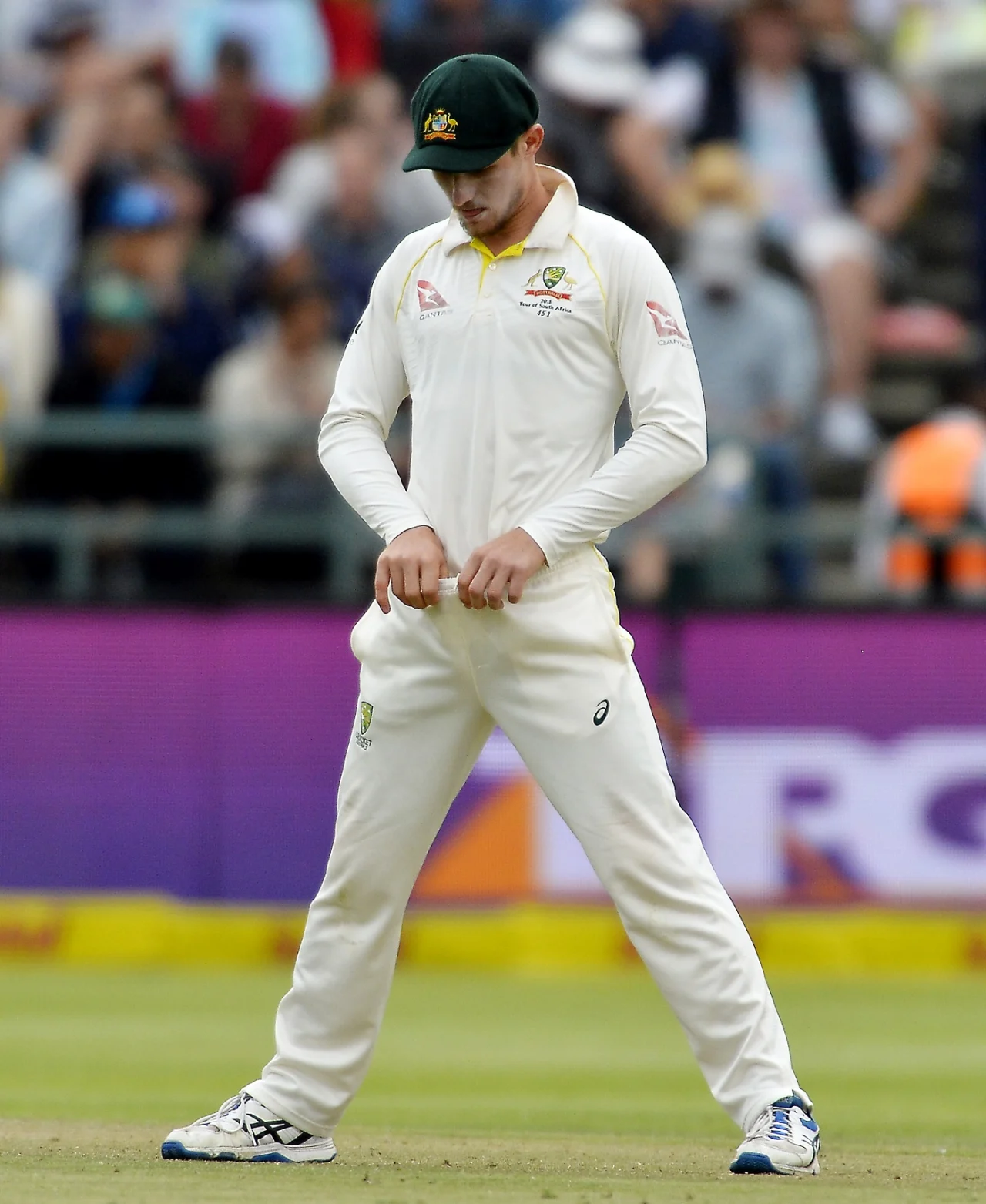
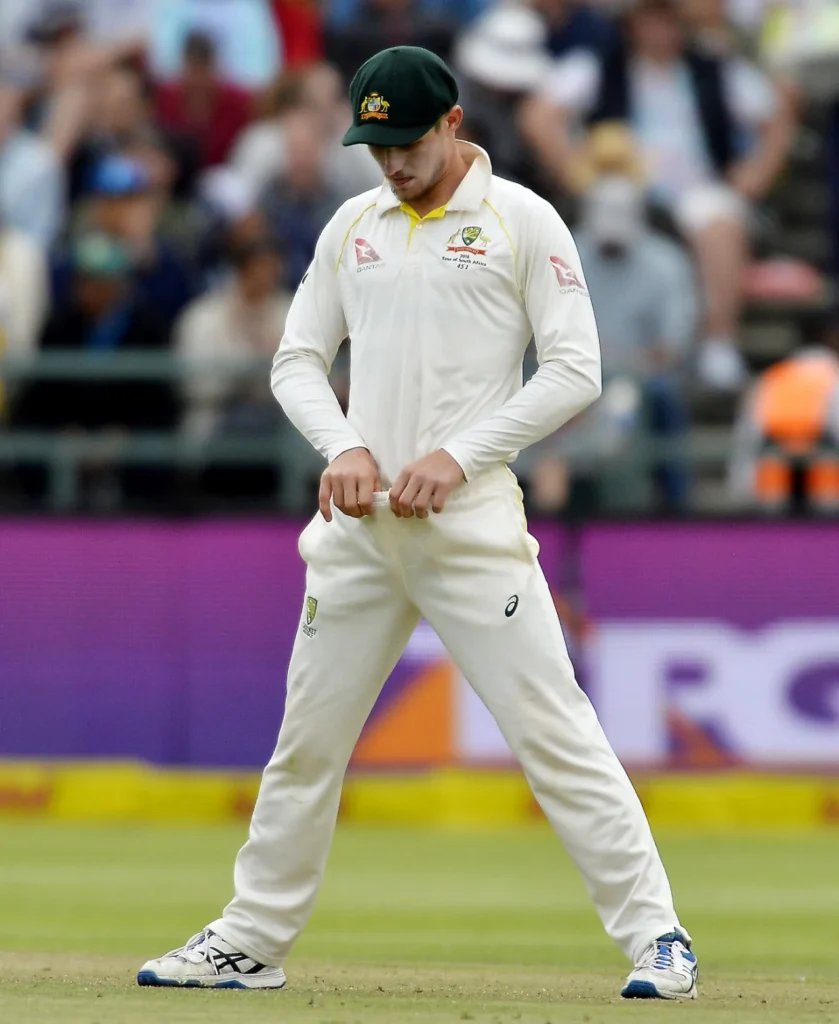
At Newlands in March 2018, television cameras caught Australian batter Cameron Bancroft using yellow adhesive sandpaper to rough up one side of the leather ball to generate reverse swing. Bancroft shoved the abrasive paper down his trousers when he realized the stadium screens were broadcasting his actions.
In a tearful post-day press conference, captain Steve Smith confessed to a pre-planned scheme hatched by the team’s “leadership group,” which pointed heavily toward vice-captain David Warner.
The Punishments: Cricket Australia bypassed ICC’s lenient one-match ban, handing 12-month bans to Smith and Warner, and a 9-month ban to Bancroft. Warner received a lifetime ban from captaincy.
Lesser-Known Fact: Broadcaster SuperSport’s camera operators tracked Bancroft specifically after Australian bowlers were seen whispering and glancing at the pitch-side big screen.
6. The 2006 Oval Test Forfeiture: Pakistan Walks Off
During the fourth Test between England and Pakistan at The Oval, umpires Darrell Hair and Billy Doctrove penalized Pakistan five penalty runs for alleged ball tampering. Angered by the accusation of cheating, Pakistan captain Inzamam-ul-Haq and his team refused to take the field after the tea interval.
Umpire Hair removed the bails, declaring England winners by forfeiture—the first and only forfeited Test match in cricket’s 140-year history.
The Aftermath: An ICC hearing chaired by Ranjan Madugalle cleared Pakistan of all ball-tampering charges, but suspended Inzamam for four ODIs for bringing the game into disrepute.
Rule Note: The ICC altered the result in 2008 to a “draw” before reverting it back to an England win to protect the authority of playing conditions.
7. Trevor Chappell’s Underarm Delivery (1981)
With New Zealand needing six runs off the final ball of a World Series Cup match at the MCG, Australian captain Greg Chappell instructed his younger brother Trevor to bowl the ball underarm, rolling it along the ground. New Zealand batsman Brian McKechnie had zero chance of hitting it over the boundary for six, blocked it, and threw his bat in disgust.
The tactic was technically within the rules at that exact second, but it sparked outrage from both nations’ Prime Ministers.
Political Fallout: New Zealand PM Robert Muldoon declared it “the most disgusting incident I can recall in the history of cricket,” while Australian PM Malcolm Fraser stated it breached every standard of fair play.
The Rule Fix: The ICC outlawed underarm bowling in competitive international cricket immediately following the series.
8. The 2019 World Cup Final: The Boundary Countback Rule
The 2019 Men’s ODI World Cup Final at Lord’s ended tied at 241. The subsequent Super Over also tied at 15 runs each between England and New Zealand. England was declared the official World Cup champion purely because they had scored more boundaries (26 boundaries to New Zealand’s 17) during their 50 overs.
The decision was compounded by Martin Guptill’s throw that deflected off Ben Stokes’ diving bat for six overthrows earlier in the 50th over.
Must-Know Fact: Former ICC umpire Simon Taufel confirmed that the on-field umpires erred by awarding six runs instead of five for the bat deflection, as Stokes and Adil Rashid had not completed their second run when the throw was released.
The Reaction: Due to global backlash, the ICC formally scrapped the boundary countback rule for all knockout matches, decreeing that Super Overs will repeat until a clear winner emerges.
9. Mankading and Non-Striker Run-Out Outrage
Named after Indian legend Vinoo Mankad, who ran out Australia’s Bill Brown for backing up too far in 1947, the non-striker run-out remains a divisive topic. When Ravichandran Ashwin dismissed Jos Buttler in the 2019 IPL, or when Deepti Sharma ran out England’s Charlie Dean at Lord’s, the cricket community split down the middle.
Purists argued it violated the unwritten “Spirit of Cricket,” while data-driven analysts defended it as an essential deterrent against batters stealing yardage before release.
Stat Check: Independent cricket analytics revealed that non-strikers routinely crossed the popping crease between 1.5 to 2.5 feet before the bowler released the ball, stealing an unfair advantage on close singles.
Legal Shift: The MCC officially relocated the dismissal from Law 41 (“Unfair Play”) to Law 38 (“Run Out”), validating it as a standard, fair dismissal without requiring a prior warning.
10. Modern Standoffs: Trophy Refusals and World Cup Boycotts (2025–2026)
Geopolitical tensions between India and Pakistan repeatedly spill onto the pitch. Following tense encounters where players refused handshakes, the Women’s Asia Cup Final in late 2026 descended into a standoff when the winning Indian team refused to collect the trophy from Asian Cricket Council (ACC) president and PCB chief Mohsin Naqvi.
The presentation ceremony was delayed for almost an hour, leaving the silverware stranded at ACC headquarters. This followed high drama around the 2026 ICC Men’s T20 World Cup, where government inquiries probed abrupt tournament withdrawals and logistical boycotts, proving that off-field politics remains an ongoing challenge for the sport.
Key Takeaway: The friction shows that administrative tensions and regional standoffs remain as influential in shaping cricket narratives today as on-field incidents were decades ago.
Conclusion
Revisiting the top 10 cricket controversies proves that the game has continually adapted its rulebook to withstand greed, dangerous play, and unsporting tactics. As world cricket moves deeper through 2026, technology like smart balls, ultra-edge audio sensors, and strict ICC codes keep players accountable. Yet, as rivalries intensify on the field, the balance between passion and fair play will always face new trials.
Frequently Asked Questions
What is the biggest controversy in cricket history?
The 2000 match-fixing scandal involving South African captain Hansie Cronje and Indian bookmakers is widely regarded as the most damaging. It destroyed public trust, triggered lifetime bans for multiple captains, and forced the ICC to create the Anti-Corruption Unit.
Why was the underarm bowling incident of 1981 so controversial?
In 1981, Australian captain Greg Chappell instructed his brother Trevor to roll the final ball along the ground to prevent New Zealand from hitting a match-tying six. While technically legal at the time, it was universally condemned as unsportsmanlike and led to an outright ban on underarm deliveries.
Is Mankading legal according to modern ICC cricket rules?
Yes, running out the non-striker who leaves their crease early is completely legal. The MCC and ICC moved the rule from Law 41 (Unfair Play) to Law 38 (Run Out), classifying it as a standard run-out that does not require an advance warning.
What was the Sandpapergate punishment?
Cricket Australia banned Steve Smith and David Warner from all international and domestic cricket for 12 months, while Cameron Bancroft received a 9-month ban. Warner also received a lifetime ban from any future leadership roles within Australian cricket.