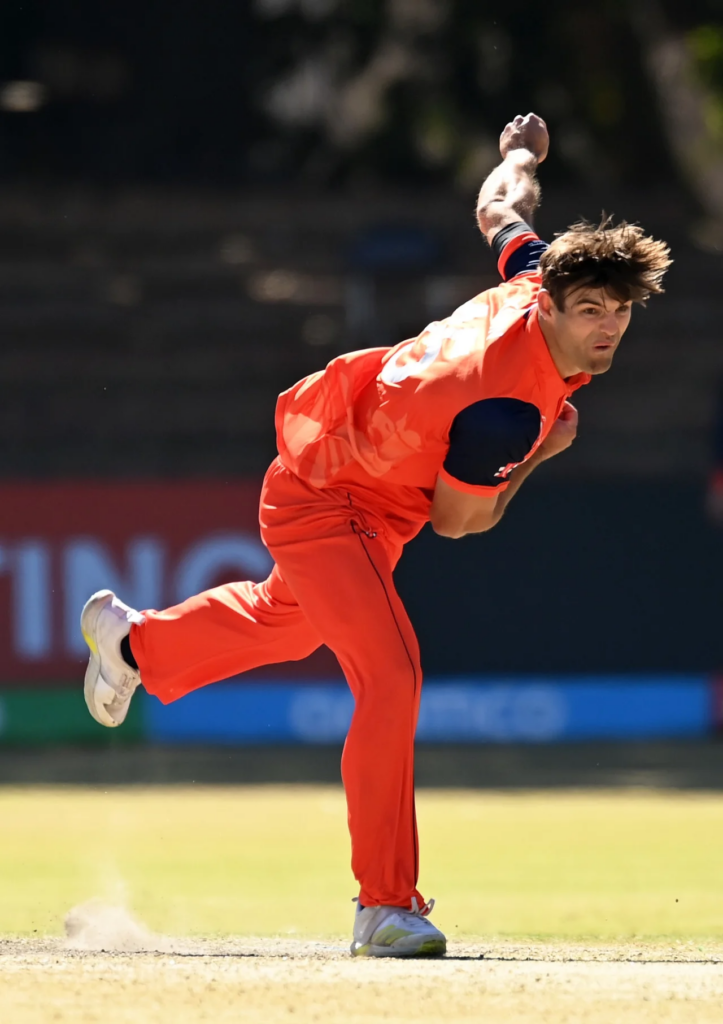
Exploring the scandals in cricket history uncovers a fierce history of fierce rivalries, tactical cheating, and high-stakes drama that tested the very spirit of the game. Cricket has always carried an image of chivalry, but when national pride and big money collide, the pitch frequently turns into a battleground.
From 1930s intimidation tactics to high-tech modern ball tampering and recent 2026 administrative boycotts, these scandals triggered rule changes, fractured dressing rooms, and left fans stunned across generations. Here is a definitive, fact-checked breakdown of the ten most explosive moments in world cricket.
Quick Comparison: The Most Scandals in Cricket History
| Year | Controversy | Main Teams/Players Involved | Direct Impact / Punishment |
| 1932–33 | Bodyline Series | England vs. Australia (Douglas Jardine, Harold Larwood) | Laws changed on field placing and short-pitch bowling |
| 2000 | Hansie Cronje Match-Fixing | South Africa, India (Cronje, Azharuddin, Jadeja) | Multiple life bans; creation of the ICC Anti-Corruption Unit |
| 2008 | Monkeygate Scandal | India vs. Australia (Harbhajan Singh, Andrew Symonds) | Near-abandonment of tour; relations strained for years |
| 2010 | Lord’s Spot-Fixing No-Balls | Pakistan (Salman Butt, Mohammad Amir, Mohammad Asif) | Prison sentences in the UK and 5 to 10-year ICC bans |
| 2018 | Sandpapergate Ball Tampering | Australia (Steve Smith, David Warner, Cameron Bancroft) | 1-year bans for Smith & Warner; 9-month ban for Bancroft |
| 2019 | Boundary Countback World Cup Final | England vs. New Zealand | ICC abolished the boundary count rule immediately after |
1. The Bodyline Series (1932–33): When Bowling Became Dangerous
English captain Douglas Jardine devised “fast leg theory” to stop Australia’s run machine, Sir Donald Bradman. Bowlers Harold Larwood and Bill Voce hurled fast, rising deliveries targeted straight at the batters’ upper bodies, with packed fielders on the leg side waiting for defensive deflections.
Australian captain Bill Woodfull took a painful hit over the heart, while wicketkeeper Bert Oldfield fractured his skull. Australian crowds grew hostile, and diplomatic cables flew between governments over trade relations. The Marylebone Cricket Club (MCC) eventually amended the Laws of Cricket to limit leg-side fielders behind square to two and outlawed dangerous short bowling.
- Past Stat: Bradman entered the series averaging 112.29 in Test cricket; England’s tactic dropped his series average to 56.57—still impressive, but half his standard output.
- Lesser-Known Fact: Harold Larwood bowled with a broken bone in his foot during the final Sydney Test and was later ostracized by English administrators when he refused to apologize to Australia.
2. Hansie Cronje and the 2000 Match-Fixing Scandal
In April 2000, Delhi Police intercepted telephone calls between South Africa’s clean-cut captain Hansie Cronje and Indian bookmaker Sanjeev Chawla. Cronje initially denied all charges, supported by his board, before making an emotional confession during a late-night phone call to South African cricket chief Ali Bacher.
The subsequent King Commission uncovered systematic cash payouts, gifts, and pitch-fixing. The scandal soon spread across borders, dragging in Indian captain Mohammad Azharuddin, Ajay Jadeja, and former Pakistan stars.
- Crucial Stat: Cronje admitted to receiving over $100,000 in cash, leather jackets, and jewelry to forecast pitch outcomes and underperform in specific matches.
- Impact: The International Cricket Council (ICC) formed its Anti-Corruption and Security Unit (ACSU) in 2000 to monitor player communications and hotel access permanently.
3. The 2008 Sydney Test: “Monkeygate”
During the intense 2008 New Year’s Test at the SCG, an on-field altercation between Indian spinner Harbhajan Singh and Australian all-rounder Andrew Symonds sparked a diplomatic and racial flashpoint. Australia alleged Harbhajan hurled a racial slur (“monkey”) at Symonds, an allegation Harbhajan fiercely denied, arguing he used the Hindi phrase “Teri maa ki…”.
Match referee Mike Procter slapped Harbhajan with a three-match ban. The Board of Control for Cricket in India (BCCI) halted the tour, threatening to fly the team home unless the charge was dropped.
- Lesser-Known Fact: Indian icon Sachin Tendulkar stepped up as a star witness during the New Zealand-based appeal hearing led by Justice John Hansen, testifying that he distinctly heard Harbhajan use the Hindi swear word, not a racial epithet.
- The Verdict: The racial charge was downgraded to abusive language; Harbhajan’s ban was overturned to a 50% match fee fine.
4. The 2010 Lord’s Spot-Fixing Scandal
During the fourth Test between England and Pakistan at Lord’s in August 2010, British tabloid News of the World ran an undercover sting exposing dynamic match-fixing. Bookie Mazhar Majeed predicted exact moments when young fast bowler Mohammad Amir and spearhead Mohammad Asif would deliver deliberate, massive no-balls.
Captain Salman Butt orchestrated the delivery points for money. The evidence was irrefutable as TV replays showed Amir overstepping the bowling crease by several inches on the exact pre-agreed deliveries.
- The Fall-out: In November 2011, Southwark Crown Court sentenced Butt to 30 months, Asif to 12 months, and Amir to six months in youth custody. The ICC handed bans ranging from 5 to 10 years.
- Crucial Detail: Mohammad Amir was only 18 years old at the time of the offense and the youngest bowler in Test history to reach 50 wickets.
5. Sandpapergate (Cape Town, 2018)
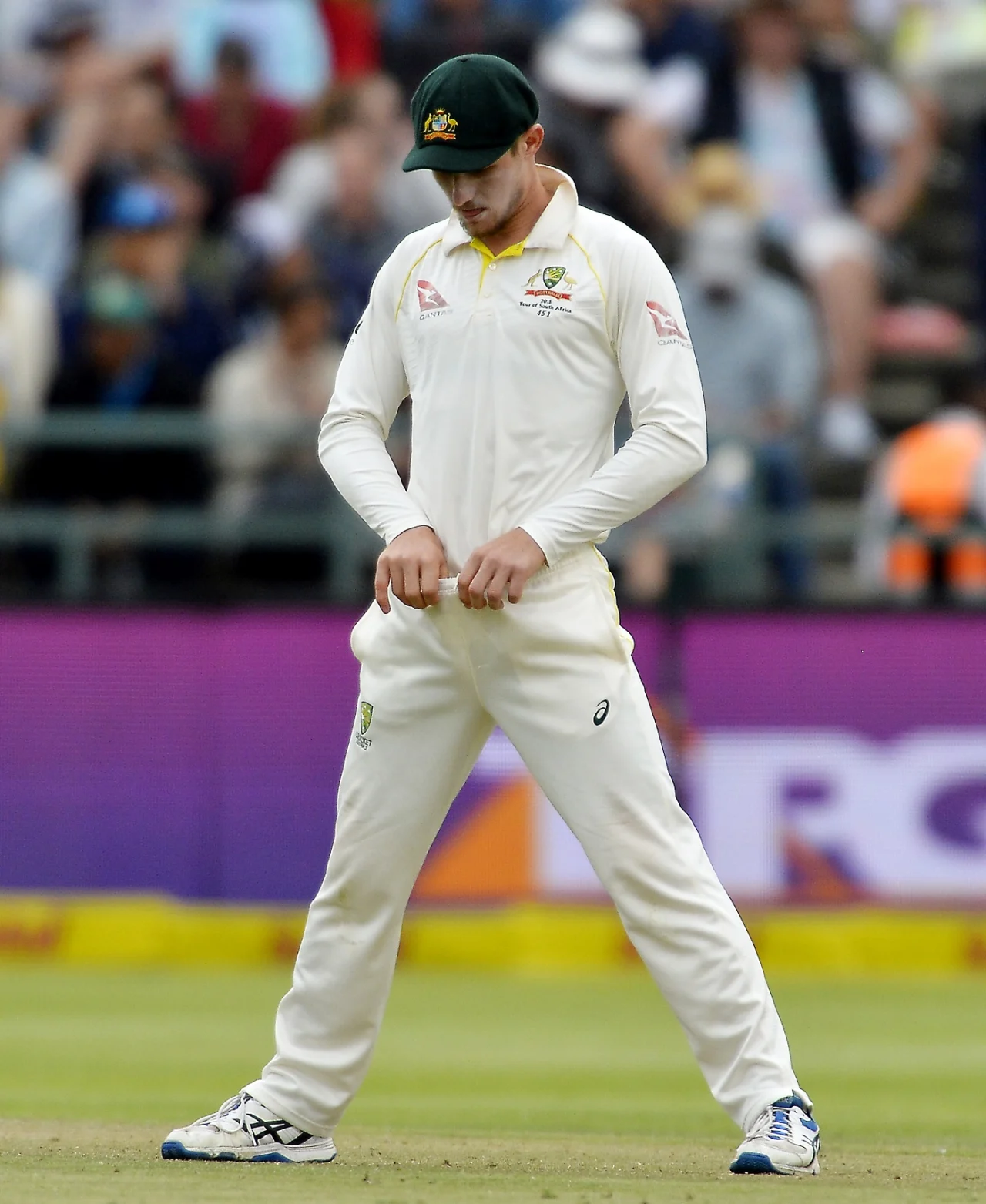
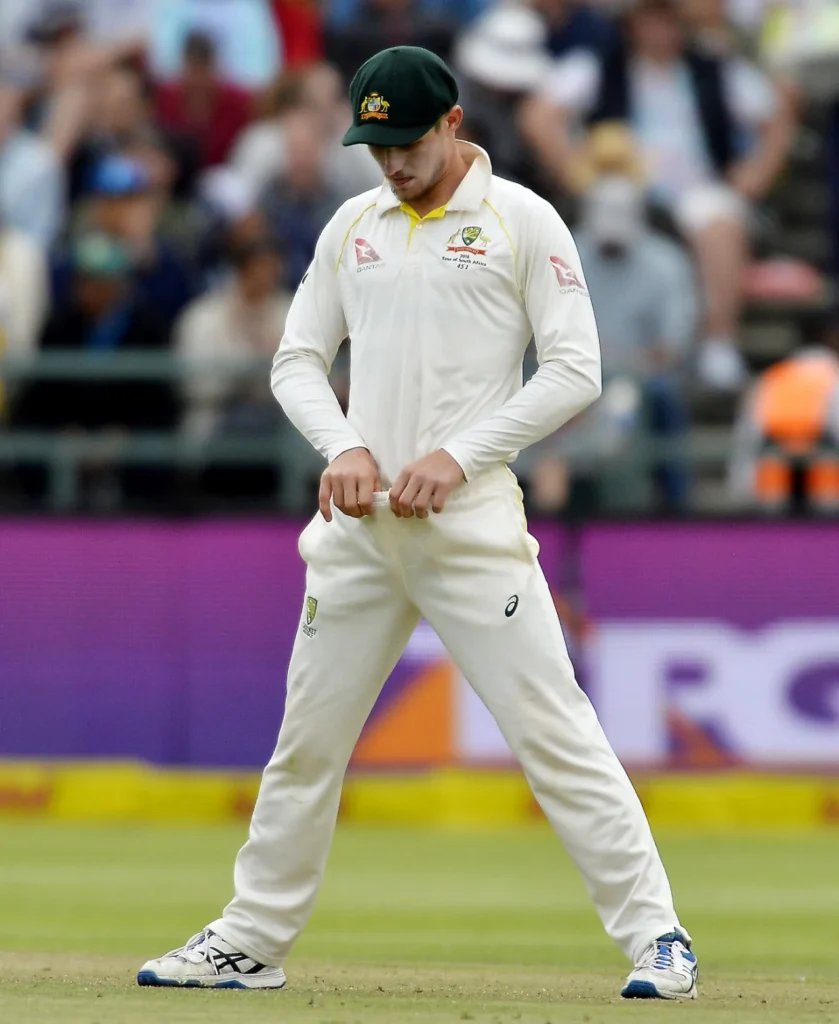
At Newlands in March 2018, television cameras caught Australian batter Cameron Bancroft using yellow adhesive sandpaper to rough up one side of the leather ball to generate reverse swing. Bancroft shoved the abrasive paper down his trousers when he realized the stadium screens were broadcasting his actions.
In a tearful post-day press conference, captain Steve Smith confessed to a pre-planned scheme hatched by the team’s “leadership group,” which pointed heavily toward vice-captain David Warner.
- The Punishments: Cricket Australia bypassed ICC’s lenient one-match ban, handing 12-month bans to Smith and Warner, and a 9-month ban to Bancroft. Warner received a lifetime ban from captaincy.
- Lesser-Known Fact: Broadcaster SuperSport’s camera operators tracked Bancroft specifically after Australian bowlers were seen whispering and glancing at the pitch-side big screen.
6. The 2006 Oval Test Forfeiture: Pakistan Walks Off
During the fourth Test between England and Pakistan at The Oval, umpires Darrell Hair and Billy Doctrove penalized Pakistan five penalty runs for alleged ball tampering. Angered by the accusation of cheating, Pakistan captain Inzamam-ul-Haq and his team refused to take the field after the tea interval.
Umpire Hair removed the bails, declaring England winners by forfeiture—the first and only forfeited Test match in cricket’s 140-year history.
- The Aftermath: An ICC hearing chaired by Ranjan Madugalle cleared Pakistan of all ball-tampering charges, but suspended Inzamam for four ODIs for bringing the game into disrepute.
- Rule Note: The ICC altered the result in 2008 to a “draw” before reverting it back to an England win to protect the authority of playing conditions.
7. Trevor Chappell’s Underarm Delivery (1981)
With New Zealand needing six runs off the final ball of a World Series Cup match at the MCG, Australian captain Greg Chappell instructed his younger brother Trevor to bowl the ball underarm, rolling it along the ground. New Zealand batsman Brian McKechnie had zero chance of hitting it over the boundary for six, blocked it, and threw his bat in disgust.
The tactic was technically within the rules at that exact second, but it sparked outrage from both nations’ Prime Ministers.
- Political Fallout: New Zealand PM Robert Muldoon declared it “the most disgusting incident I can recall in the history of cricket,” while Australian PM Malcolm Fraser stated it breached every standard of fair play.
- The Rule Fix: The ICC outlawed underarm bowling in competitive international cricket immediately following the series.
8. The 2019 World Cup Final: The Boundary Countback Rule
The 2019 Men’s ODI World Cup Final at Lord’s ended tied at 241. The subsequent Super Over also tied at 15 runs each between England and New Zealand. England was declared the official World Cup champion purely because they had scored more boundaries (26 boundaries to New Zealand’s 17) during their 50 overs.
The decision was compounded by Martin Guptill’s throw that deflected off Ben Stokes’ diving bat for six overthrows earlier in the 50th over.
- Must-Know Fact: Former ICC umpire Simon Taufel confirmed that the on-field umpires erred by awarding six runs instead of five for the bat deflection, as Stokes and Adil Rashid had not completed their second run when the throw was released.
- The Reaction: Due to global backlash, the ICC formally scrapped the boundary countback rule for all knockout matches, decreeing that Super Overs will repeat until a clear winner emerges.
9. Mankading and Non-Striker Run-Out Outrage
Named after Indian legend Vinoo Mankad, who ran out Australia’s Bill Brown for backing up too far in 1947, the non-striker run-out remains a divisive topic. When Ravichandran Ashwin dismissed Jos Buttler in the 2019 IPL, or when Deepti Sharma ran out England’s Charlie Dean at Lord’s, the cricket community split down the middle.
Purists argued it violated the unwritten “Spirit of Cricket,” while data-driven analysts defended it as an essential deterrent against batters stealing yardage before release.
- Stat Check: Independent cricket analytics revealed that non-strikers routinely crossed the popping crease between 1.5 to 2.5 feet before the bowler released the ball, stealing an unfair advantage on close singles.
- Legal Shift: The MCC officially relocated the dismissal from Law 41 (“Unfair Play”) to Law 38 (“Run Out”), validating it as a standard, fair dismissal without requiring a prior warning.
10. Modern Standoffs: Trophy Refusals and World Cup Boycotts (2025–2026)
Geopolitical tensions between India and Pakistan repeatedly spill onto the pitch. Following tense encounters where players refused handshakes, the Women’s Asia Cup Final in late 2026 descended into a standoff when the winning Indian team refused to collect the trophy from Asian Cricket Council (ACC) president and PCB chief Mohsin Naqvi.
The presentation ceremony was delayed for almost an hour, leaving the silverware stranded at ACC headquarters. This followed high drama around the 2026 ICC Men’s T20 World Cup, where government inquiries probed abrupt tournament withdrawals and logistical boycotts, proving that off-field politics remains an ongoing challenge for the sport.
- Key Takeaway: The friction shows that administrative tensions and regional standoffs remain as influential in shaping cricket narratives today as on-field incidents were decades ago.
Conclusion
Revisiting the top 10 cricket controversies proves that the game has continually adapted its rulebook to withstand greed, dangerous play, and unsporting tactics. As world cricket moves deeper through 2026, technology like smart balls, ultra-edge audio sensors, and strict ICC codes keep players accountable. Yet, as rivalries intensify on the field, the balance between passion and fair play will always face new trials.
Frequently Asked Questions
What is the biggest controversy in cricket history?
The 2000 match-fixing scandal involving South African captain Hansie Cronje and Indian bookmakers is widely regarded as the most damaging. It destroyed public trust, triggered lifetime bans for multiple captains, and forced the ICC to create the Anti-Corruption Unit.
Why was the underarm bowling incident of 1981 so controversial?
In 1981, Australian captain Greg Chappell instructed his brother Trevor to roll the final ball along the ground to prevent New Zealand from hitting a match-tying six. While technically legal at the time, it was universally condemned as unsportsmanlike and led to an outright ban on underarm deliveries.
Is Mankading legal according to modern ICC cricket rules?
Yes, running out the non-striker who leaves their crease early is completely legal. The MCC and ICC moved the rule from Law 41 (Unfair Play) to Law 38 (Run Out), classifying it as a standard run-out that does not require an advance warning.
What was the Sandpapergate punishment?
Cricket Australia banned Steve Smith and David Warner from all international and domestic cricket for 12 months, while Cameron Bancroft received a 9-month ban. Warner also received a lifetime ban from any future leadership roles within Australian cricket.